
Last updated November 20, 2026
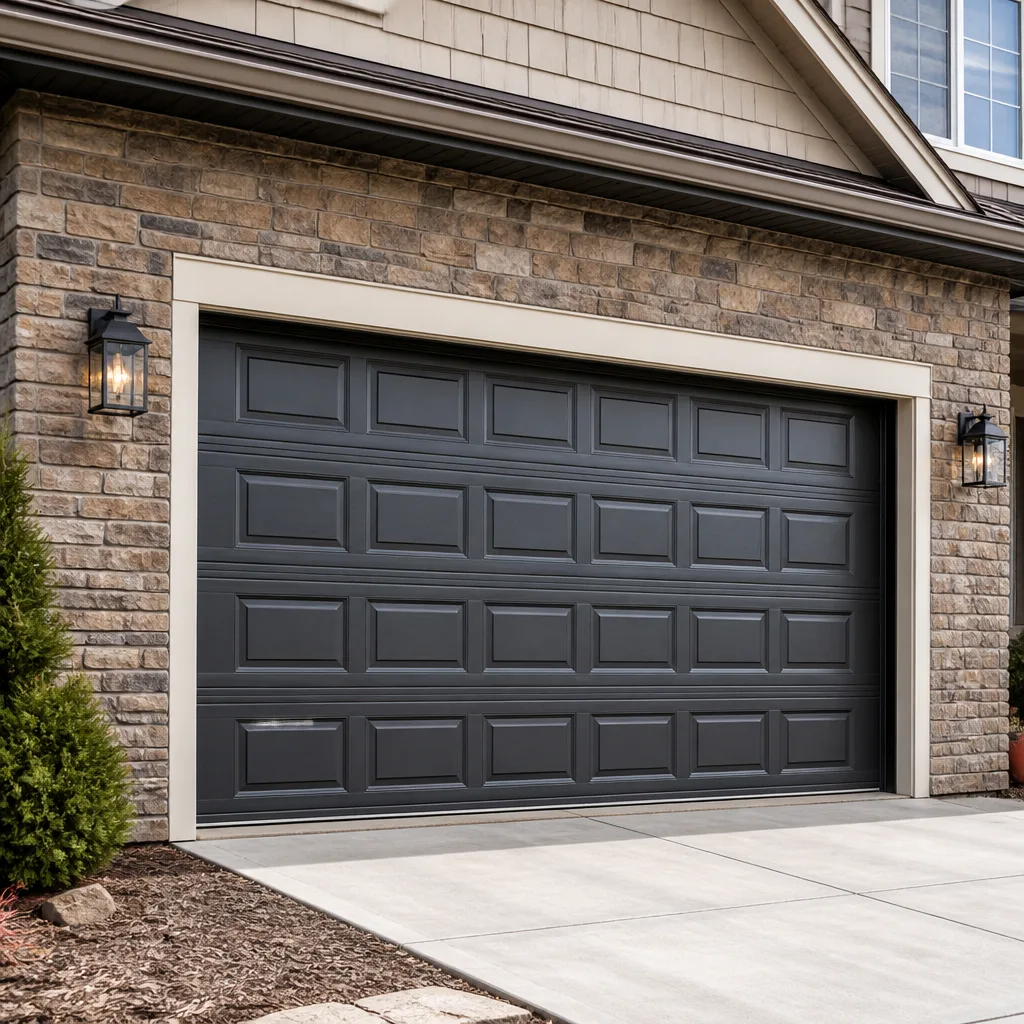 Raised-panel steel
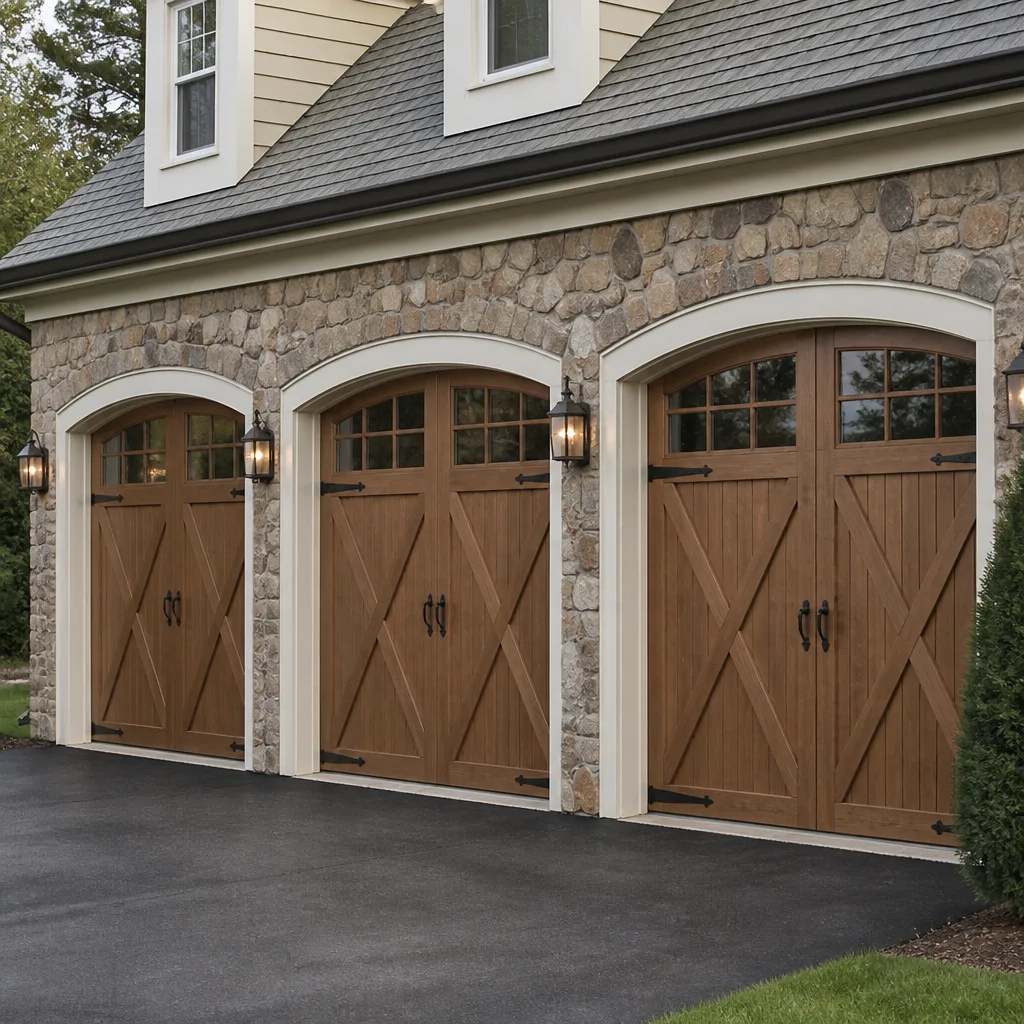 Carriage house
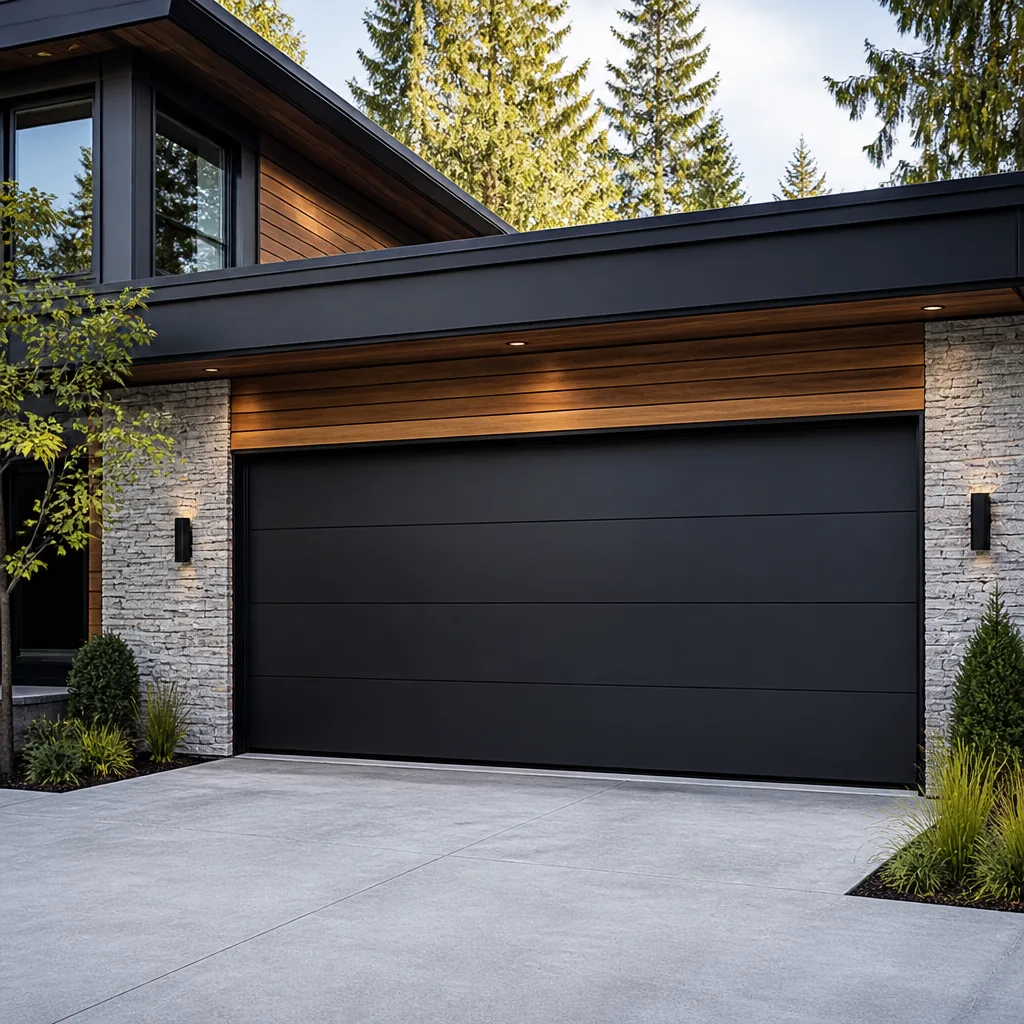 Modern flush
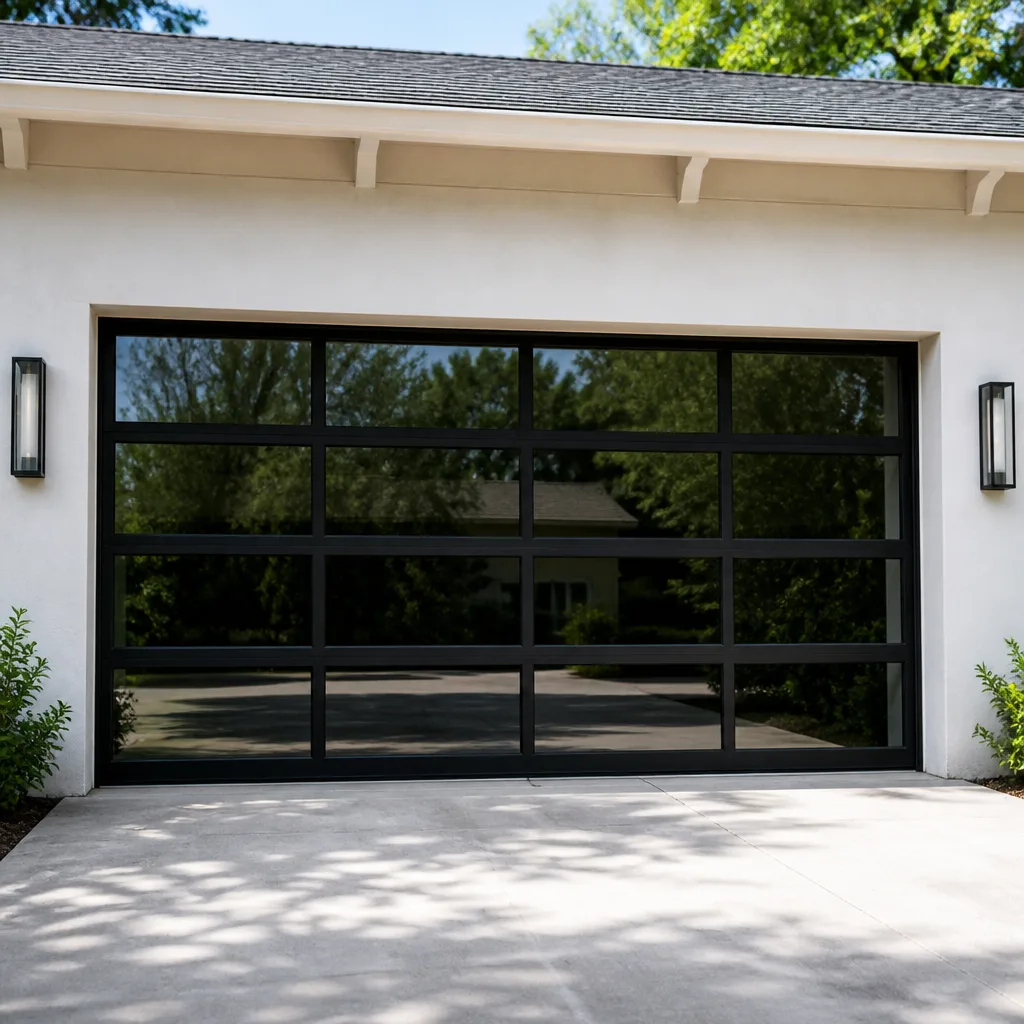 Full-view glass
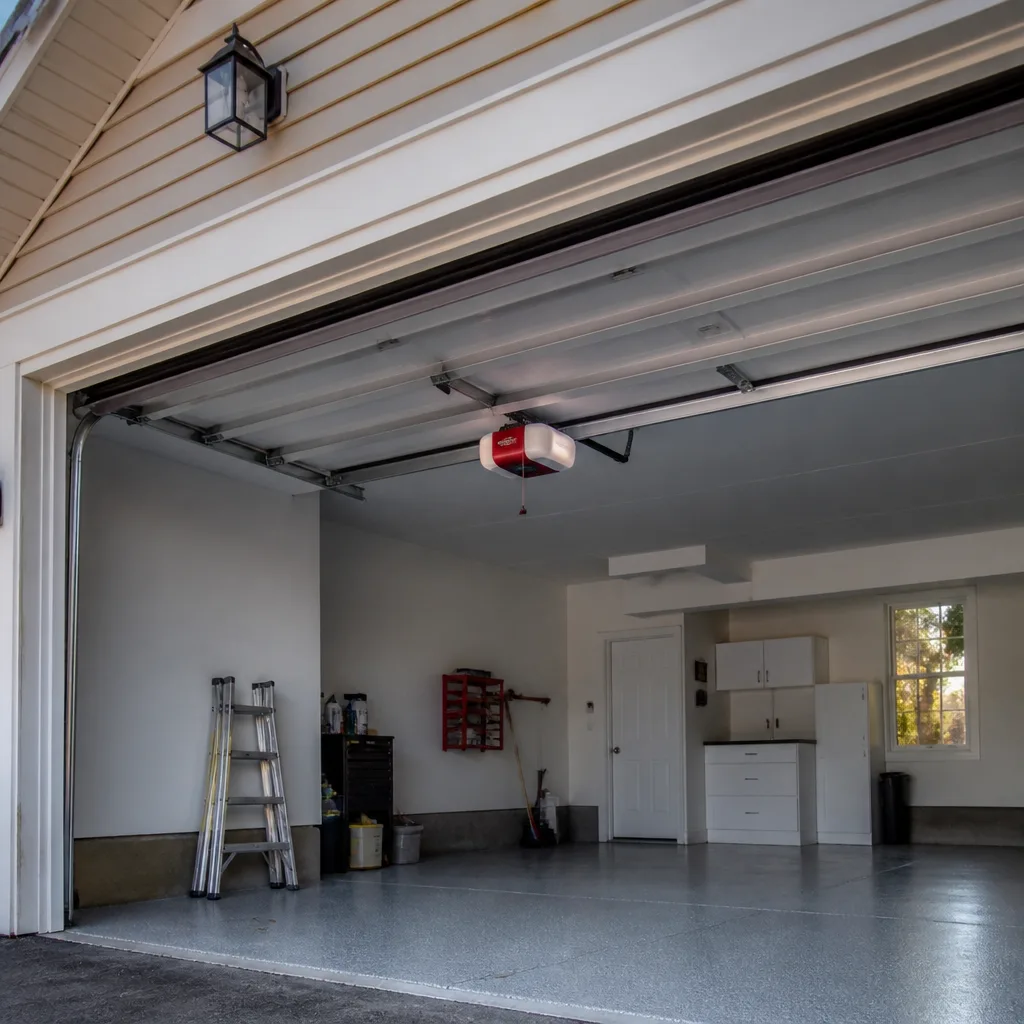 LiftMaster openers
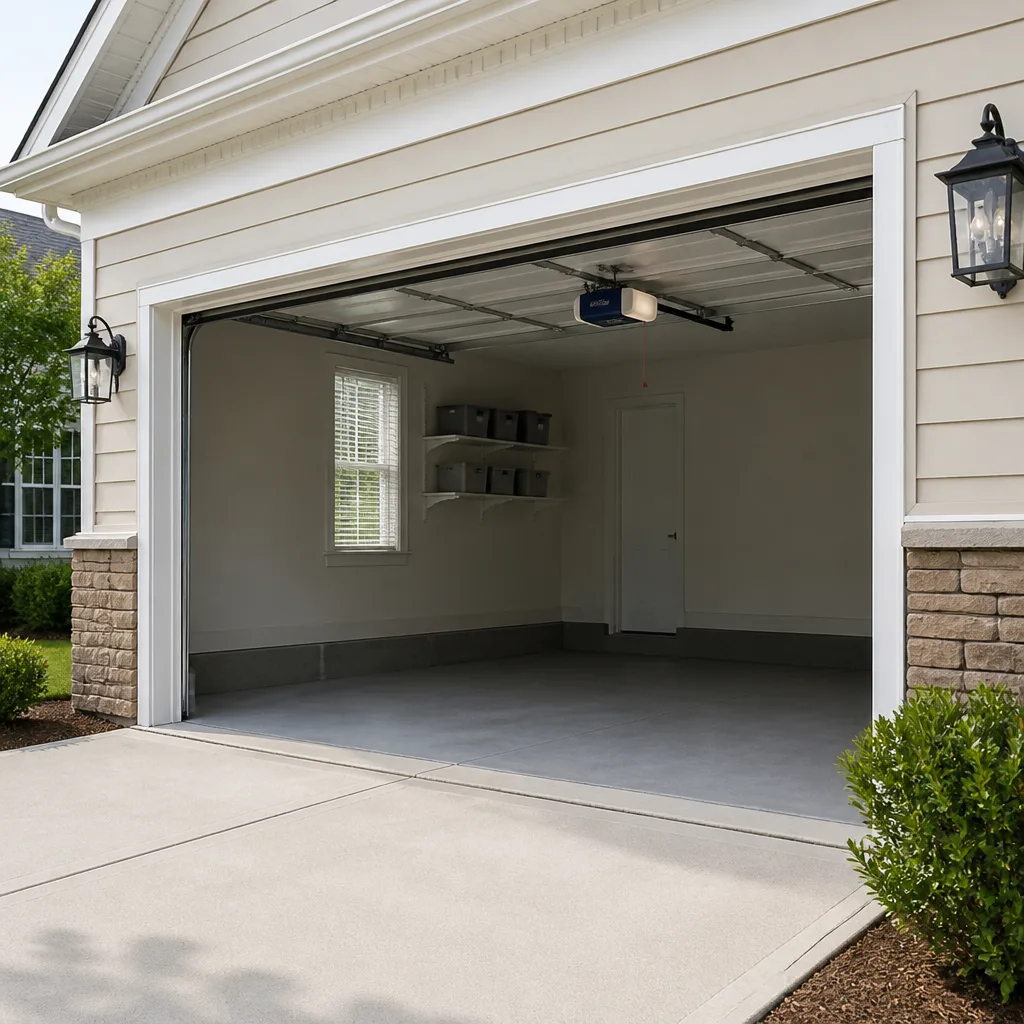 Chamberlain openers
Full 25-point door and opener safety check with every visit - springs, cables, rollers, tracks, and your LiftMaster or Chamberlain opener included
You get a price before we start. It does not change when the pro arrives.
Get your free estimateGarage Door Warning Signs: A Bellevue Homeowner’s Reference Guide
A grinding noise and a scraping noise coming from your garage door sound almost identical from the kitchen. They mean very different things. Grinding usually points to a stripping opener gear, which gives you days to act. Scraping often means a roller has left the track, and that’s a stop-using-the-door-now situation. Most homeowners can’t tell them apart until something fails. This guide fixes that. We’ll map each sound, sight, and behavior to the component behind it, rank the urgency, and give you a triage system you can actually use. Bellevue homes deal with wet winters and rapid temperature swings, so we’ll fold in how local conditions change what these warning signs mean.
Quick Answer
The most serious garage door warning signs are a door that reverses without warning, a snapped torsion spring (a loud bang followed by a door you can’t lift), cables that look frayed or slack, and a door that slams down instead of lowering smoothly. Any of these means stop using the door and call a professional. Less urgent signs like rattling, uneven travel, or a remote that needs repeated presses can usually be scheduled within the week. The divide is simple: if a safety system, a spring, or a cable is involved, it’s immediate. If it’s noise, alignment, or electronics, it’s this week.
Styles & brands we work with
- Raised-panel steel
- Carriage house
- Modern flush
- Full-view glass
- LiftMaster openers
- Chamberlain openers
Table of Contents
- The Noise Diagnosis Matrix: What Each Sound Tells You
- Visual Warning Signs of Spring Wear You Can See Safely
- Opener Behavior Patterns and What They Signal
- Speed and Balance Tests You Can Do Yourself
- Cable Wear: The Silent Failure Point
- The Triage System: Stop Now, Schedule This Week, or Monitor
- How Bellevue’s Climate Affects Your Door’s Wear Patterns
- Brand-Specific Warning Signs: LiftMaster, Chamberlain, Genie, Clopay
The Noise Diagnosis Matrix: What Each Sound Tells You
Sound is the earliest signal a garage door gives you. A quiet door that starts making a new noise is telling you a specific part is wearing. The problem is that most people lump every noise into “the garage door is broken” and either panic or ignore it. Neither response is useful. Here’s how we map the four most common sounds to their likely source and urgency.
Grinding. A low, harsh grinding noise usually comes from the opener itself, most often a plastic drive gear that’s stripping. This is common on older chain-drive units from Genie and Chamberlain as the gear teeth wear smooth. You typically have days, not weeks, before the door stops responding entirely. Schedule service this week and avoid running the door more than necessary.
Scraping. A metal-on-metal scrape as the door moves is a roller that’s left the track or a panel rubbing the frame. This is the sound you should stop on. Continued operation can bend the track, crack a panel, or pop a cable under load. Stop using the door now and call for repair.
Popping or snapping. A single sharp pop can be a torsion spring letting go. A series of pops as the door moves often means a cable jumping its drum. Both are immediate. Do not run the door again.
Rattling. Loose hinge bolts, worn rollers, and a slack chain all rattle. This is the least urgent sound on the list and usually means monitoring plus a scheduled tune-up. In Bellevue, the wet season loosens hardware faster because wood framing and metal brackets expand and contract with damp and dry cycles.
- Grinding: opener gear, schedule this week
- Scraping: roller or track, stop now
- Popping or snapping: spring or cable, stop now
- Rattling: hardware or chain, monitor and tune up
Visual Warning Signs of Spring Wear You Can See Safely
Torsion springs sit on the shaft above the door. Extension springs run along the sides. Both are under extreme tension, and both are the most dangerous component in any garage door system. We’re going to be direct here: observe from the floor, and never touch, adjust, or try to move a spring, cable, or the winding hardware connected to them. Only a trained technician with proper winding bars and safety equipment should work on springs.
From a safe distance on the floor, you can still catch the visual signals of a spring near failure:
- A visible gap in a torsion spring coil. Look for a clean break or a section where the coil separates. A spring that has already snapped often leaves the door unable to lift more than a few inches.
- Rust and dark staining. Heavy rust spots or oily-looking stains on the coils mean metal is fatiguing. In Bellevue’s damp climate, unheated garages see this sooner than in dry regions.
- Stretched or uneven coils. If the gaps between coils look wider in one area than another, tension is uneven and failure risk rises.
- Extension springs without safety cables. If you have extension springs and can’t see a steel cable running through the center, that’s a safety gap. A snapped extension spring without a containment cable can fly through the garage.
- A door that feels much heavier than it used to. If you can lift the door by hand and it takes real effort, the spring has lost tension.
Bellevue homes with attached garages often sit at a temperature where condensation forms on metal through the wet months. If you notice rust blooming on springs in a Clopay or Amarr door, don’t wait for a bang. Have a technician look at it. We handle high-tension torsion and extension spring work as a core service, and we check the full system rather than just the spring that failed.
Opener Behavior Patterns and What They Signal
Openers fail in patterns. Once you know the patterns, you can usually narrow down whether you’re looking at a sensor issue, a remote issue, or a failing motor or circuit board before anyone opens the housing.
Lights flash but the door doesn’t move. Nine times out of ten, this is a safety sensor problem, not a motor failure. A sensor knocked out of alignment, a lens fogged with dust, or a spider web across the beam will all trigger this. In Bellevue’s wet months, condensation on the sensor lens is a frequent culprit. Clean and realign the sensors first before assuming the worst.
Remote needs repeated presses or works only up close. That’s a battery issue or an antenna issue. Start with a fresh battery. If both remotes behave the same way, the opener’s antenna or logic board is the next suspect.
Door stops partway and reverses. This is usually a force-setting or travel-limit issue, not a dead motor. The system is reading resistance and backing off. A door that binds or has a worn roller will trip that safety feature. So can a failing logic board. This is a same-day call.
Opener runs but the door doesn’t move, with a humming sound. The gear is likely stripped or the chain has slipped. That’s the grinding case above.
Growling from the opener housing. A worn bearing or a bent shaft. Schedule service this week; running it long-term chews up the motor.
We work on the full range of opener types, from legacy chain-drive units to modern Wi-Fi-enabled LiftMaster and Chamberlain smart systems. Understanding the known failure patterns of each brand means we diagnose by spec rather than guesswork. Find that service through garage door opener repair.
Speed and Balance Tests You Can Do Yourself
You don’t need any tools to test whether your door’s springs and cables are holding tension correctly. These two tests are safe because you never touch a moving part under tension; you’re only observing behavior. Do them when the door is closed and nobody is under it.
- The balance test. With the door fully closed, disconnect the opener using the emergency release cord. Lift the door by hand about halfway and let go. If it stays in place, the spring tension is balanced. If it drops fast or won’t stay put, the springs have lost tension or one has cracked. Never put your hand under the door during this test.
- The speed test. Reconnect the opener and watch the door close. It should descend at a steady, even pace. A door that drops faster in the last foot than the rest of the travel points to a spring that’s near the end of its usable life or a cable with slack.
- The slow-start check. A door that struggles to start moving, then speeds up after a foot, often has a binding roller or a slightly loose track. Not urgent on its own, but worth scheduling a look.
- The full-travel check. Run the door fully up and fully down twice. Notice whether it hesitates, shudders, or changes speed. Any change that wasn’t there last month is worth noting and monitoring.
What we’ve seen in our experience with Bellevue doors is that the balance test flags cable and spring problems before the door ever stops working. Cables stretch and fray quietly. A door that fails the balance test is one where the cables are carrying load they weren’t meant to carry. That’s when a call for garage door repair becomes the smart move rather than the panic move.
Cable Wear: The Silent Failure Point
Cables are the part that fails without warning. A spring usually announces itself with a bang. A cable that snaps under load can whip loose with enormous stored energy. That’s why cable wear belongs in the “stop now” category when you spot it.
Look at the cables on each side of the door from the floor. The specific signs of wear:
- Rust stains between the wire strands. Water gets inside the cable and corrosion starts from within, weakening the steel before you see any fraying.
- Fraying or broken wire ends. A cable that’s lost its smooth twist will look like a wire brush in places. Stop using the door.
- Slack in the cable. A cable that’s loose when the door is in its normal resting position usually means the spring has lost tension, or a cable has slipped its drum. Either is a professional call.
- Uneven drum wrapping. If the cable is wrapped unevenly on the drum at one corner, the door will travel crooked. Don’t continue cycling the door.
Cables belong to the same “high-tension, safety-equipment-required” class as springs. A technician handles them with proper guillotine-down procedures and safety glasses. Don’t try to re-seat a cable yourself. When you find cable wear along with spring wear, that’s a full-system job, and that’s a scheduled repair visit, not a DIY afternoon.
The Triage System: Stop Now, Schedule This Week, or Monitor
Here’s the decision framework that turns all of this into actual action. If the symptom you’re seeing lands in the first list, stop using the door. If it lands in the second, call for a scheduled visit. If it lands in the third, note it and watch for changes.
Stop Using the Door Now
- A loud bang followed by a door that won’t lift (snapped torsion spring)
- Frayed, rusty, or slack cables
- A door that closes too fast or slams
- A door that reverses unexpectedly on its own
- Visible gap in a torsion spring coil
- Scraping metal-on-metal as the door moves
Schedule Service This Week
- Grinding noise from the opener housing
- A door that stops halfway and reverses
- Fails the balance test
- Heavy rust on extension springs without safety cables
- Openers that growl or whine
Monitor, Then Book a Tune-Up
- Rattling or loose hardware
- Remote needs repeated presses
- Door travels slightly unevenly
- Sensors fogged with condensation
- Slow-start on a cold Bellevue morning
We keep this triage honest on every call. If your door is in the stop-now list, we’ll tell you not to run it and to plan a repair visit. If it’s in the monitor list, we’ll say so. This company provides four services only: door repair, opener repair, spring repair, and installation. If your situation calls for all four combined after an assessment, we’ll walk you through garage door installation rather than piece together a fix on a door that’s past saving.
How Bellevue’s Climate Affects Your Door’s Wear Patterns
Bellevue sits in the Puget Sound lowlands, where the wet season runs long and the temperature swings between mild and cold as fronts move through. That pattern matters for garage door hardware in specific ways.
Moisture inside the garage, not rain hitting the door, drives most of the premature wear we see. Condensation forms on torsion springs and cables when warm daytime air meets a cold garage slab at night. That moisture pushes rust into the wire strands of cables and the coils of springs. Homes in neighborhoods like Bridle Trails, Crossroads, and Factoria see this because their garages are often unheated and face morning shade. If you live near Lake Sammamish or Lake Washington, morning humidity hangs lower and rust starts sooner. So does a door whose garage is on the north side of the house.
Wood trim and metal panels expand and contract differently with the dry stretches. Hardware loosens slightly each season. That’s why Bellevue doors tend to rattle more in late fall than they did in summer. Rollers wear unevenly, and a slightly loose hinge becomes a bent track over a few years of daily use.
Bellevue winters also mean salt on the road, and salt tracked onto the garage floor doesn’t help the bottom rollers or the door’s bottom seal. Rinse the floor when you can and watch for corrosion at the lowest point of the door, where it takes the most splash.
The Bellevue Building Department handles permitting for structural changes to a garage, including frame and header work. If your installation involves any structural change, ask them directly about what’s required. We don’t quote code rules we haven’t confirmed with your department.
Brand-Specific Warning Signs: LiftMaster, Chamberlain, Genie, Clopay
Different brands fail in familiar patterns. Knowing your brand’s pattern makes diagnosis faster, which is why we work on eight major brands. Here are the four most common in Bellevue homes and what each one tends to tell you.
LiftMaster. Older chain-drive units develop gear wear at the motor. Newer Wi-Fi-enabled units sometimes show warning signs via blinking error codes on the wall control. A blinking pattern isn’t random; each brand uses it to report a fault. Look up the codes for your exact model rather than guessing.
Chamberlain. Similar opener family, similar wear pattern. Chamberlain chain-drive units from the last decade are known for drive gear failures and for sensor alignment problems in wet weather. If you’re in a Chamberlain opener and the sensors are always the first suspect, that’s why.
Genie. Genie screw-drive units have a specific failure point at the screw carriage, which produces a grinding sound distinctly different from the chain-drive gear grind. Genie belt-drive units fail more often at the belt. If you hear a rattle-chirp from a belt, that’s a belt-noise call, not a track problem.
Clopay. As a door brand, Clopay panels tend to show wear at the hinge attachment points. Repeated slamming can crack the panel around the hinge, and that crack is a panel-replacement issue, not a track fix. Look at the door panels themselves for cracks near the hinges.
Local knowledge matters here. We’ve been on Bellevue doors long enough to know that a grinding noise from a Chamberlain opener in December is usually the gear, not the chain. Call us and you’ll get the brand-familiar diagnosis. To book a visit, see Garage Door Repair Bellevue Pros.
Common Mistakes to Avoid
- Treating every noise the same. Grinding and scraping need completely different responses. Grinding is a this-week schedule. Scraping is stop using the door immediately. Mixing them up wastes days you may not have.
- Ignoring the balance test. A door that drops when you let go midway is telling you the springs are dying. Skipping that test and waiting for the bang is the most expensive mistake in this trade.
- Assuming an opener fault is always a motor problem. In Bellevue’s wet months, sensor condensation knocks more openers out of commission than any motor ever does. Clean and realign first.
- Running a loud door “until it stops working.” A grinding opener gear usually gives you a window. Running it repeatedly through that window turns a gear replacement into a full opener replacement.
- Trying to fix springs or cables yourself. Torsion springs store enormous energy. The coil gap you see is a sign to call, not a sign to reach for a wrench.
- Not tracking brand and model. When you call, the exact model cuts diagnosis time. A LiftMaster from ten years ago and a brand-new Chamberlain need different handling, and a good technician wants that detail.
- Skipping the annual check. A yearly safety check catches rust blooming on Bellevue springs and cables months before a failure. It costs far less than a full-system repair.
See the difference
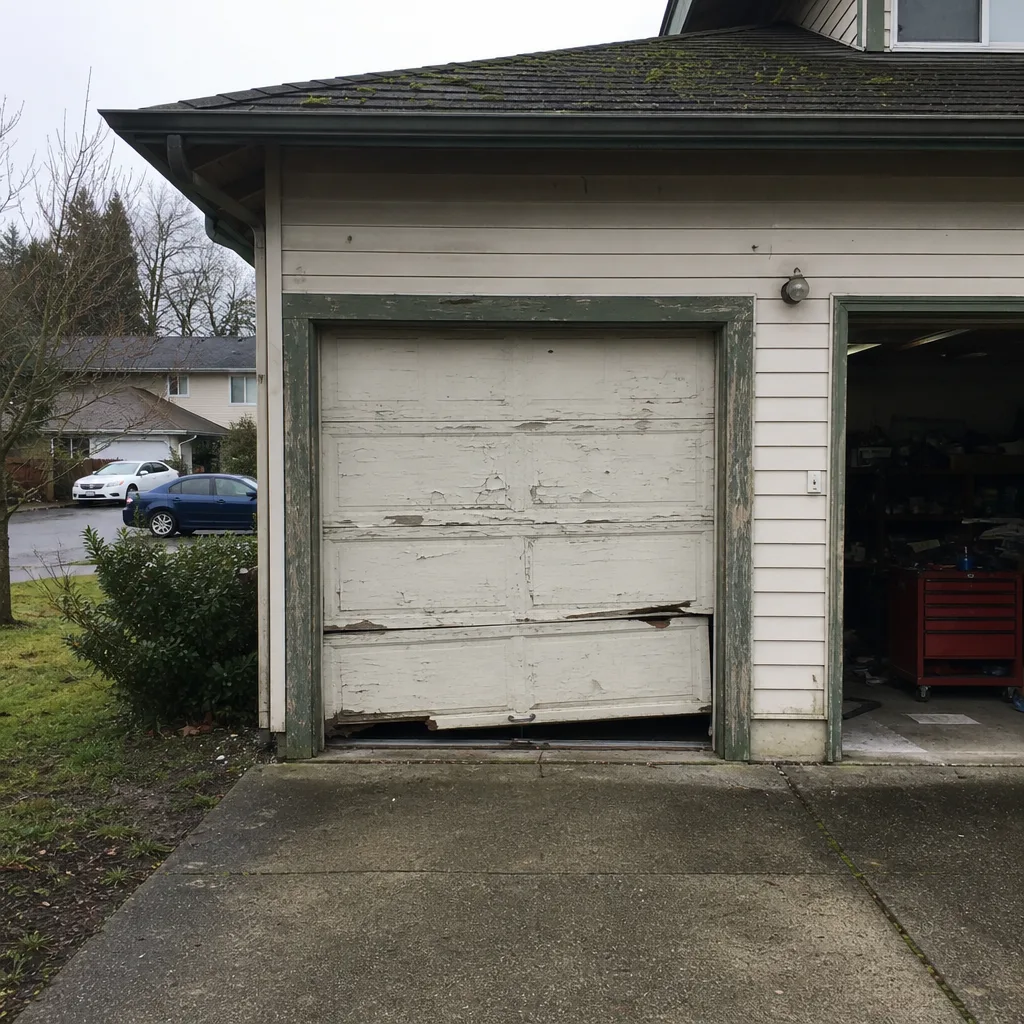 Before
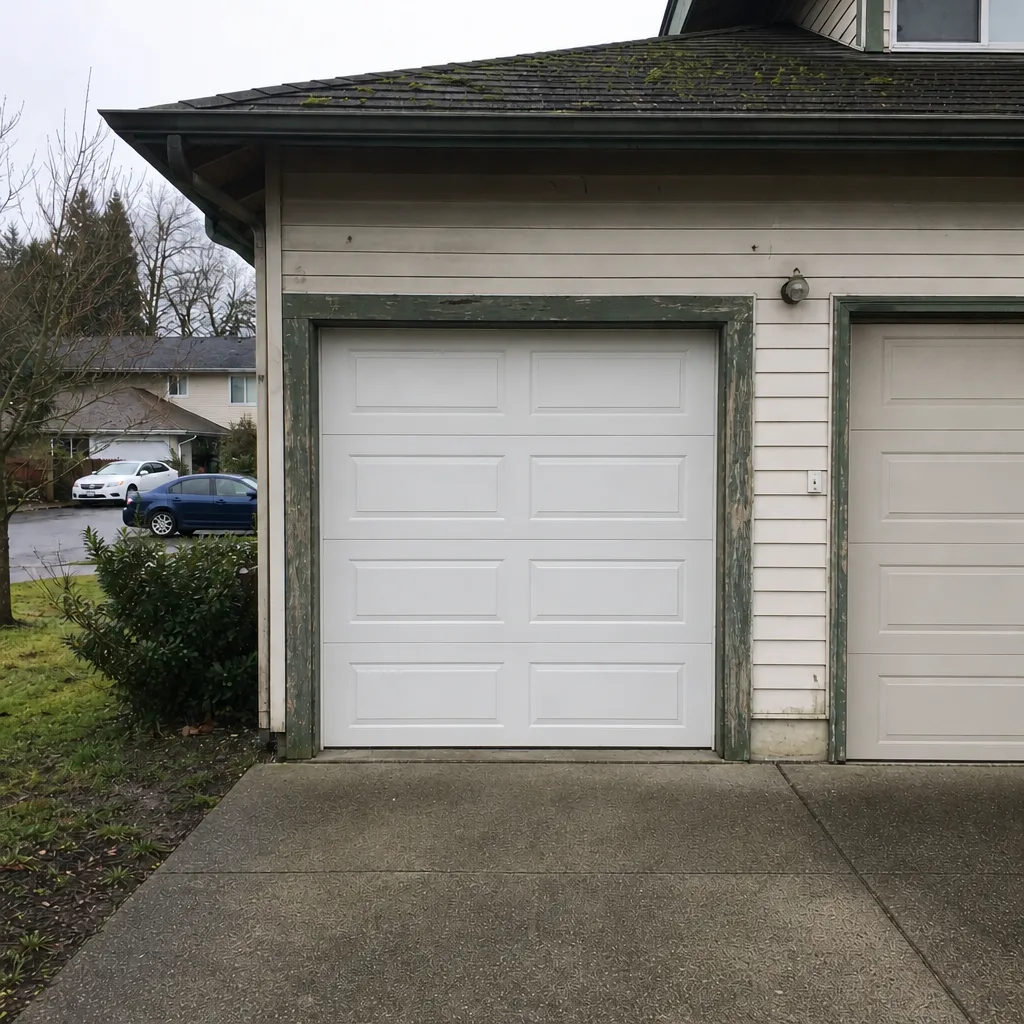 After
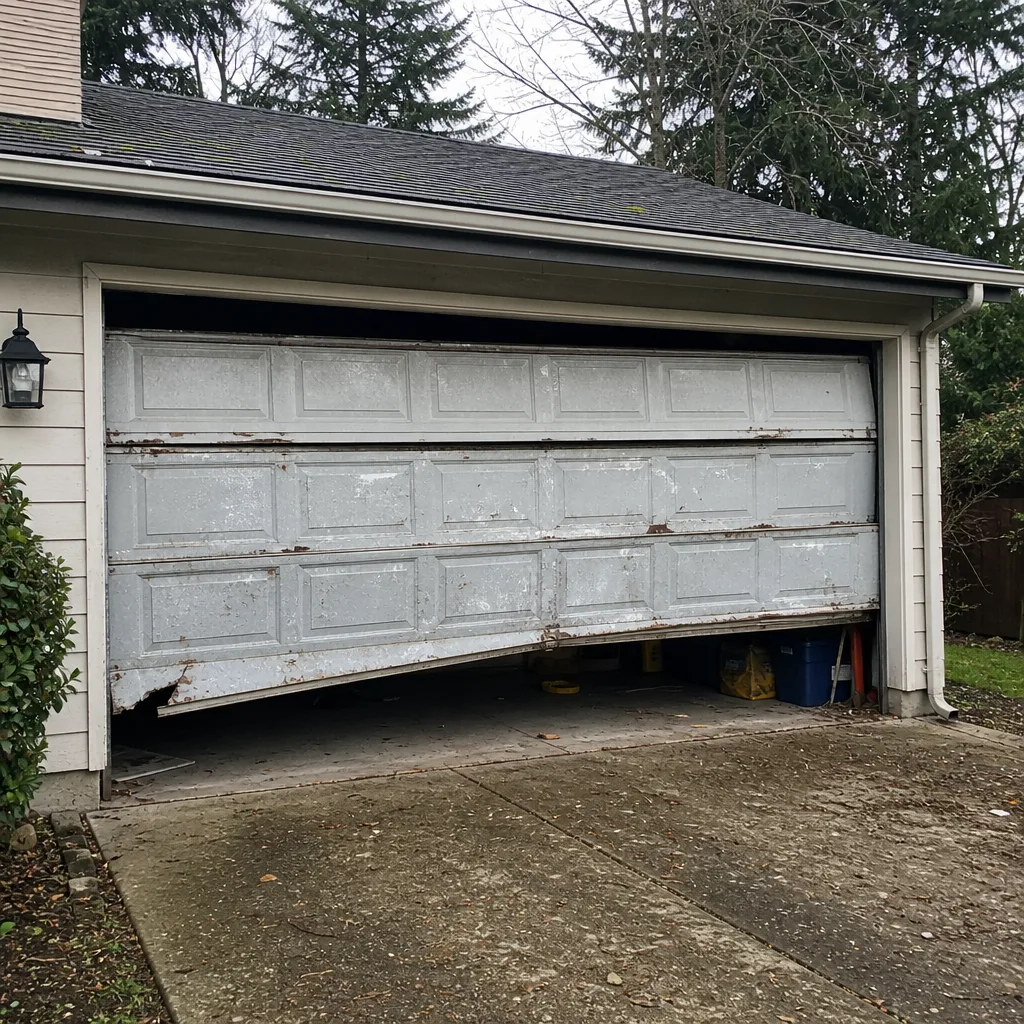 Before
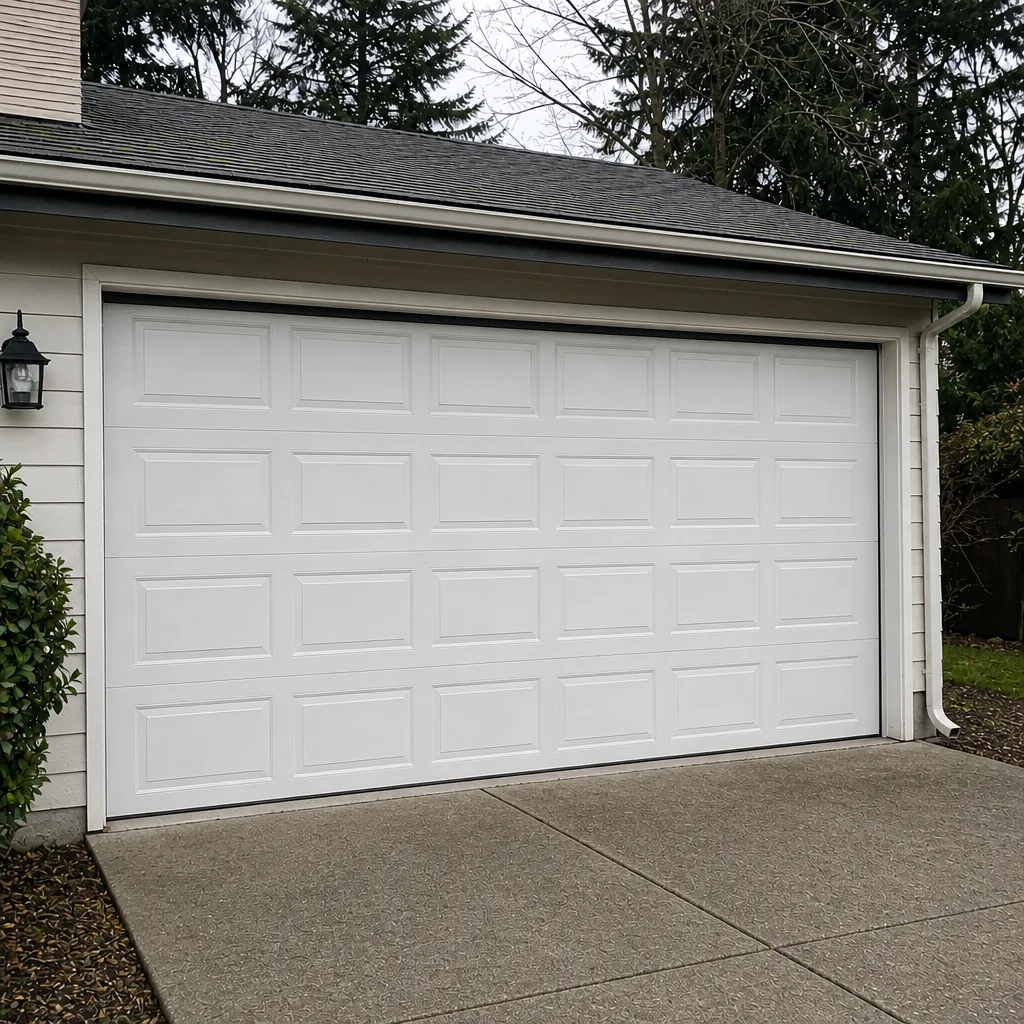 After
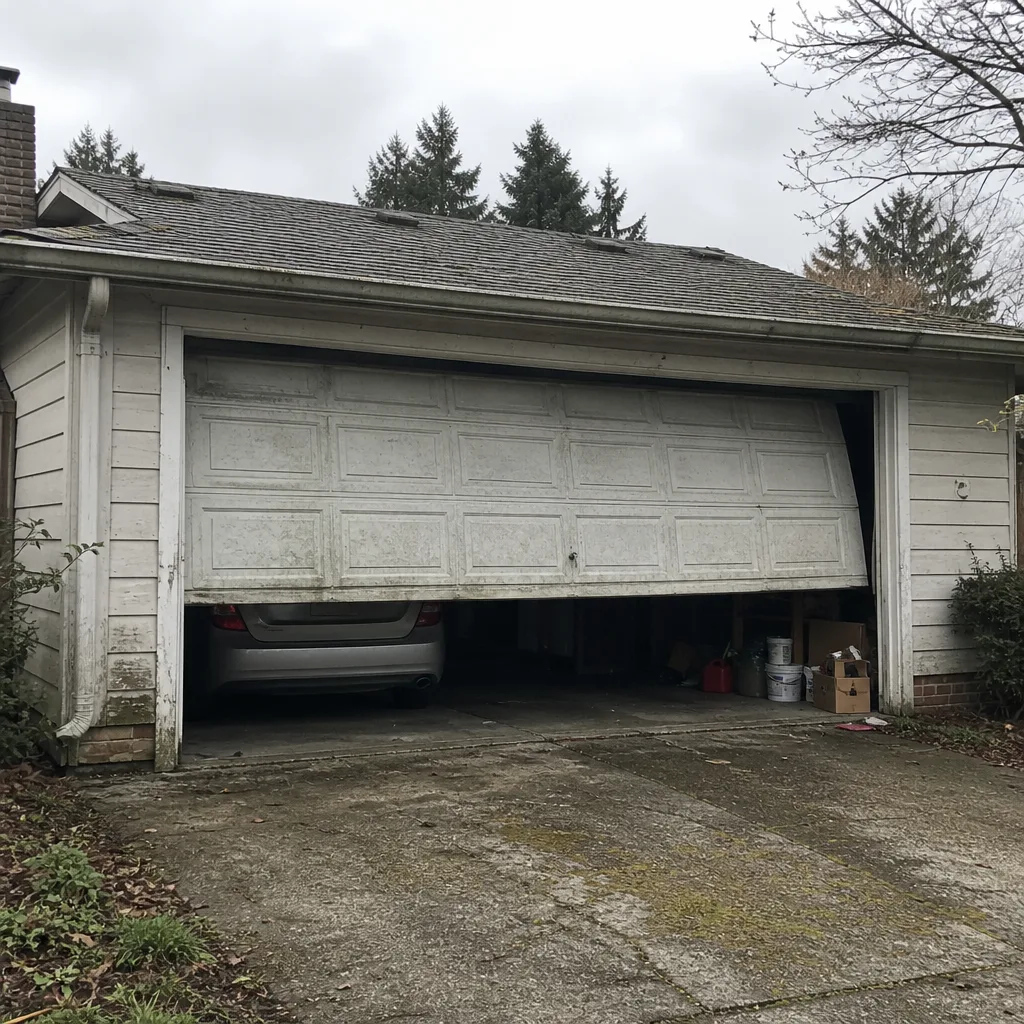 Before
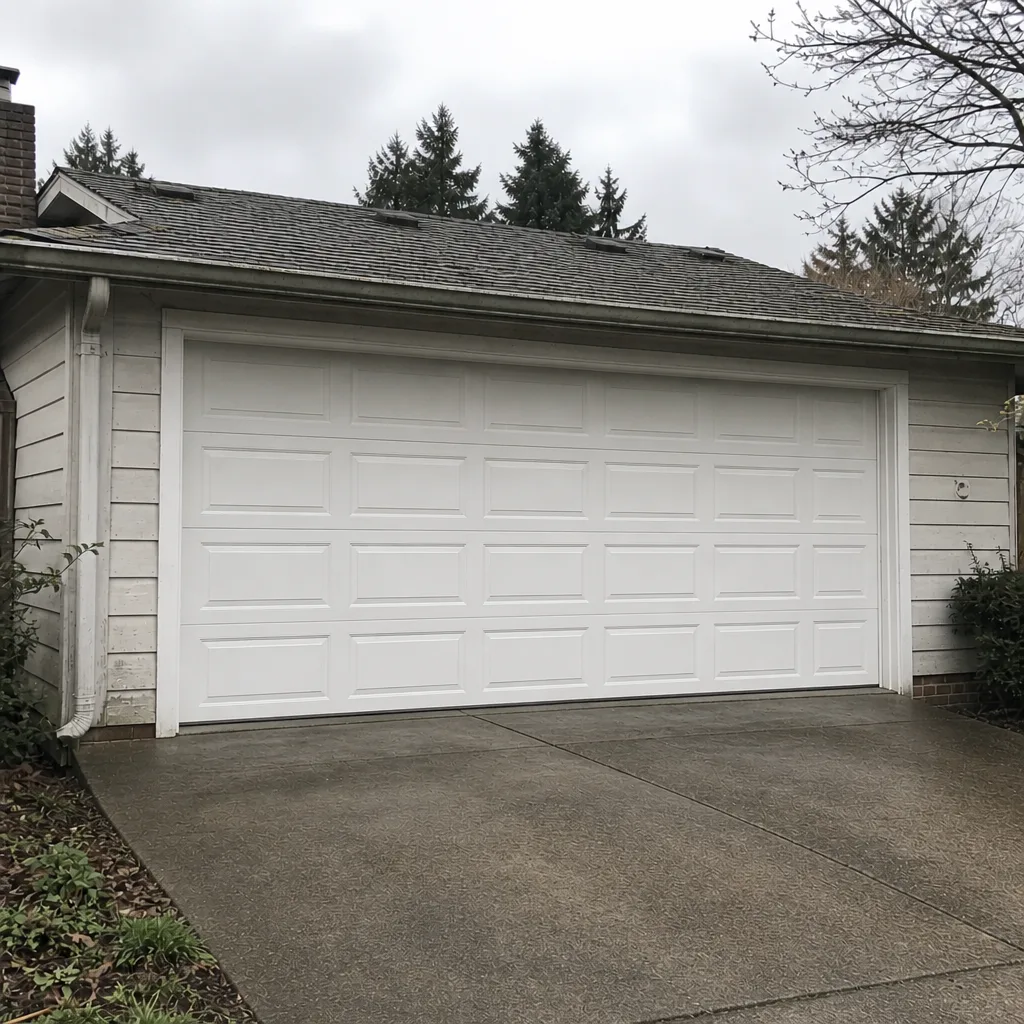 After
When to Call a Professional
Call a professional when the symptom lands on the stop-now or schedule-this-week list. That includes a snapped spring, a door that won’t lift, cables that are frayed, rusty, or slack, a door that reverses on its own, a scraping noise, or a door that fails the balance test. Also call after your yearly check-up finds rust on the torsion spring, which in Bellevue is common enough that we treat it as a warning sign, not a cosmetic detail. Your garage door is the largest moving object in your home and carries real safety weight. Call (833) 962-9266 to book a visit. We answer 24/7, and fast dispatch from 7am to 7pm, Sunday through Friday.
We offer free estimates in Bellevue, and the price is quoted and agreed before any work starts. That written estimate sets the final price, whether it’s a spring replacement, an opener repair, or a full door install. We don’t guess at prices and we don’t run up invoices. The number you agree to is the number you pay.
Frequently Asked Questions
A visible gap in a torsion spring coil, heavy rust, or a door that suddenly feels much heavier to lift are the earliest signs. The most common first signal is a door that won’t stay in place during a balance test. In Bellevue, heavy rust on springs is a strong warning sign because the damp climate speeds up fatigue. Have a technician look at it from the floor; don’t touch the spring. Call (833) 962-9266 for a free estimate.
Wet weather causes condensation on metal springs, cables, and hardware, and the moisture loosens bolts and creates rust that didn’t exist in summer. The noise itself is often a loose hinge or a roller that’s picked up fine rust. It’s not dangerous on its own, but the rust underneath is a warning about wear. If the noise comes with a heavy door or a balance-test failure, it’s a this-week call. Call (833) 962-9266 to schedule.
If the door is stuck because of a sensor misalignment, a dead remote battery, or a blown opener breaker, yes, you can usually sort it. If a spring or cable is involved, no. Springs are under extreme tension and cables can snap with serious force. Stop using the door and call a trained technician. The local pro is licensed and insured as their state requires. Call (833) 962-9266.
Same-day and next-day visits are usually possible when you call in the morning. Fast dispatch runs from 7am to 7pm, Sunday through Friday, and we’re closed on Saturday. We answer 24/7, and a call outside dispatch hours is booked into the next opening. For a stop-now symptom, don’t run the door again. Call (833) 962-9266 now.
No. The written estimate is agreed before any work starts, and that’s the final price. The only change is if the diagnosis uncovers something different from what the call described, and then we’ll walk you through it before anyone touches a part. We quote per job by written estimate. Call (833) 962-9266 for a free estimate.
Yes. The independent local professionals we connect you with are licensed and insured as their state requires. Our technicians have up to 8 years of experience, and we work on LiftMaster, Chamberlain, Genie, Clopay, and four other major brands. If you’d rather confirm specifics before booking, ask on the call. Call (833) 962-9266.
The Bottom Line
Your garage door gives you warning signs before it fails, but you have to read them correctly. Grinding means you have days. Scraping means stop now. A door that fails the balance test is one step away from a spring failure. Rust on cables in Bellevue’s damp climate is the quiet warning most homeowners miss. Use the triage system above: stop-now symptoms mean call today, this-week symptoms mean schedule a visit, and monitor symptoms mean pay attention during your next tune-up. When in doubt, a free estimate settles it. Call (833) 962-9266. We answer 24/7 and fast dispatch from 7am to 7pm, Sunday through Friday.
Written by the team at Garage Door Repair Bellevue Pros.