
Last updated November 20, 2026
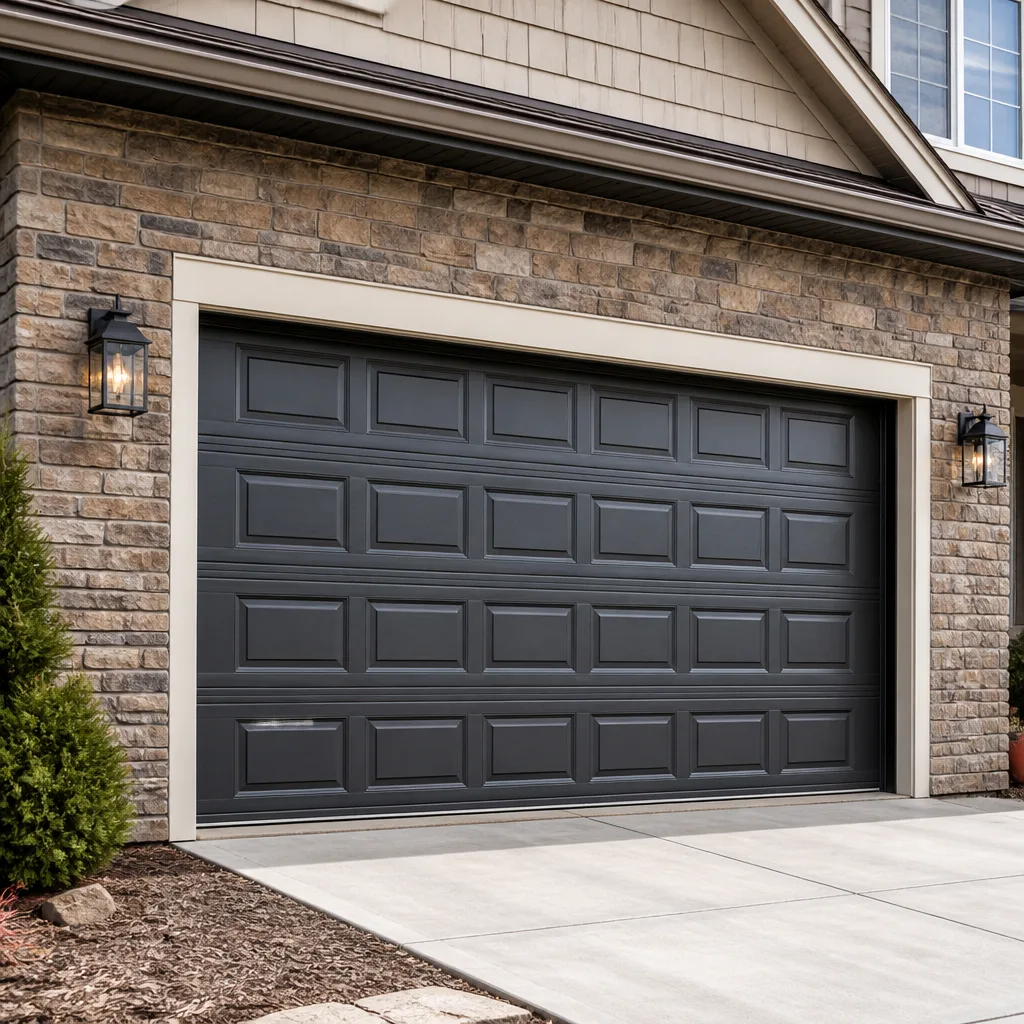 Raised-panel steel
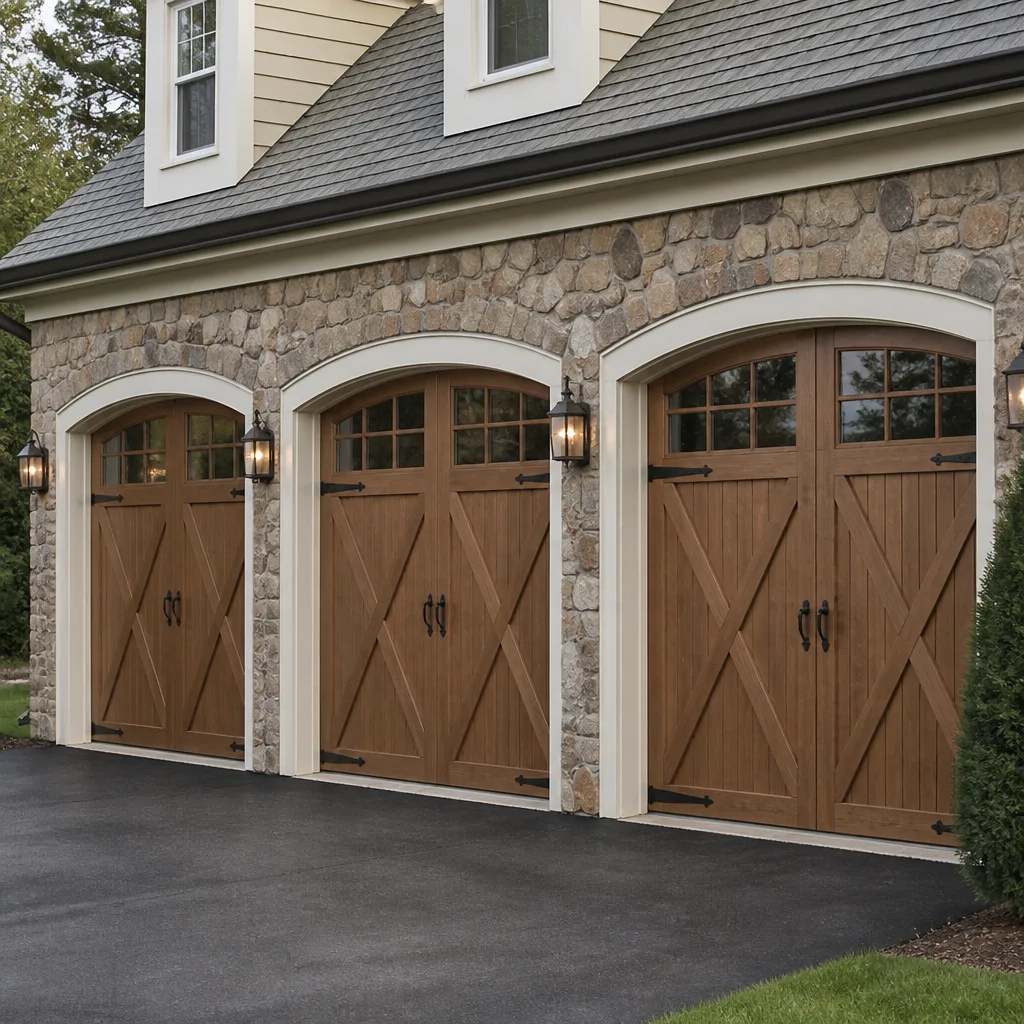 Carriage house
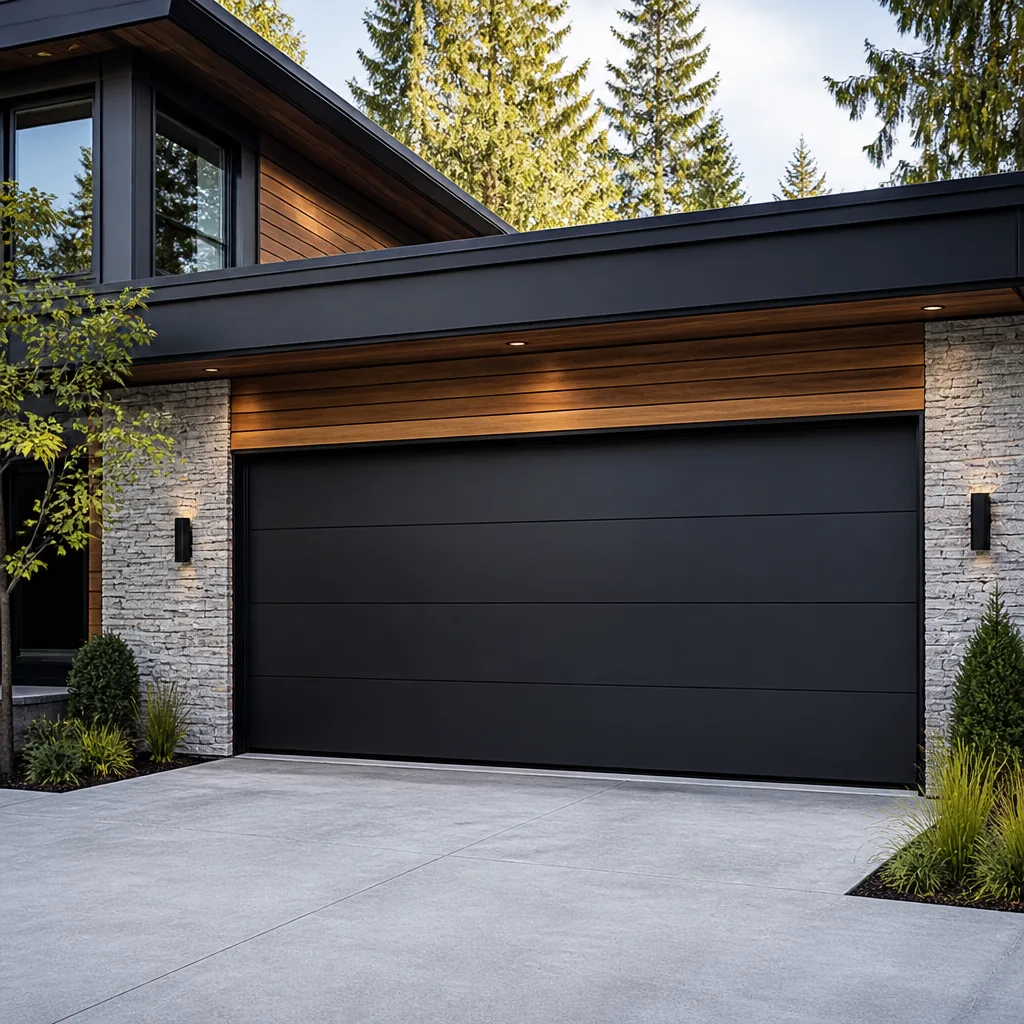 Modern flush
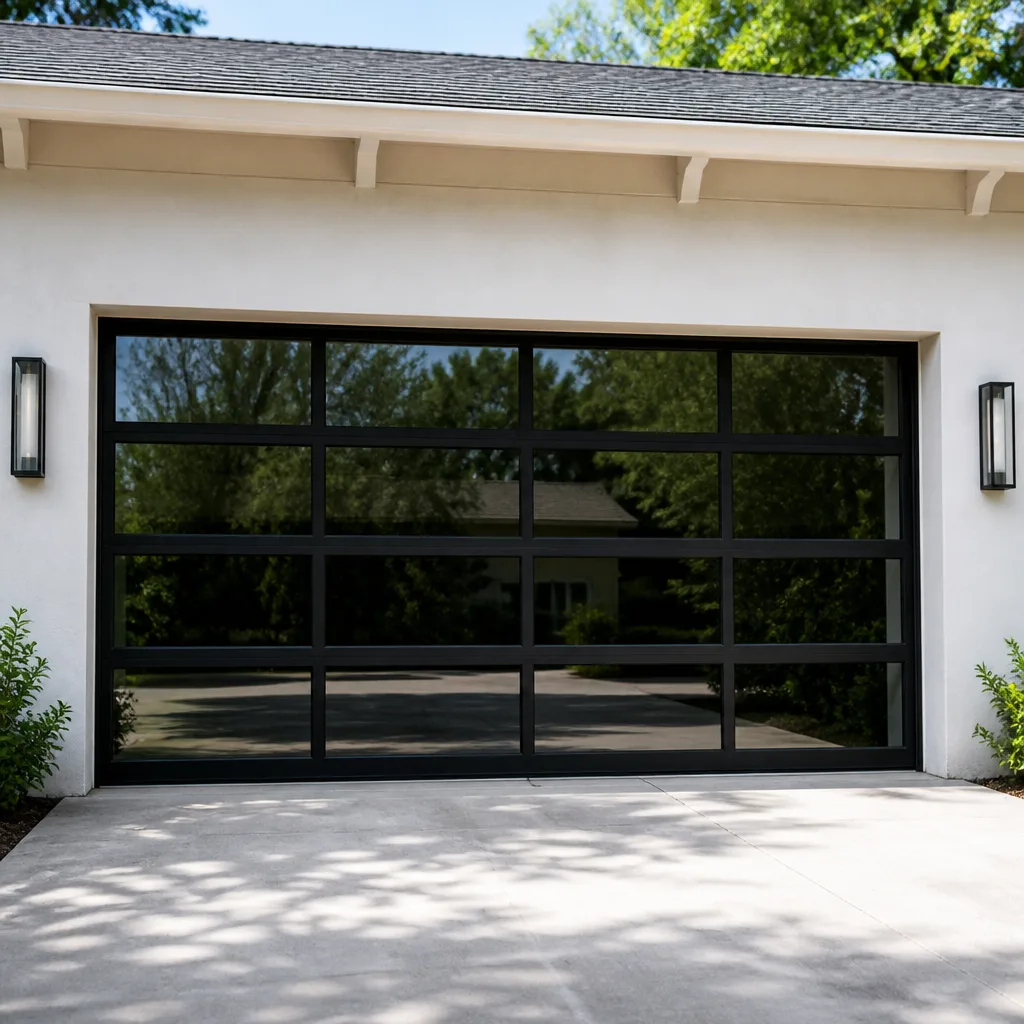 Full-view glass
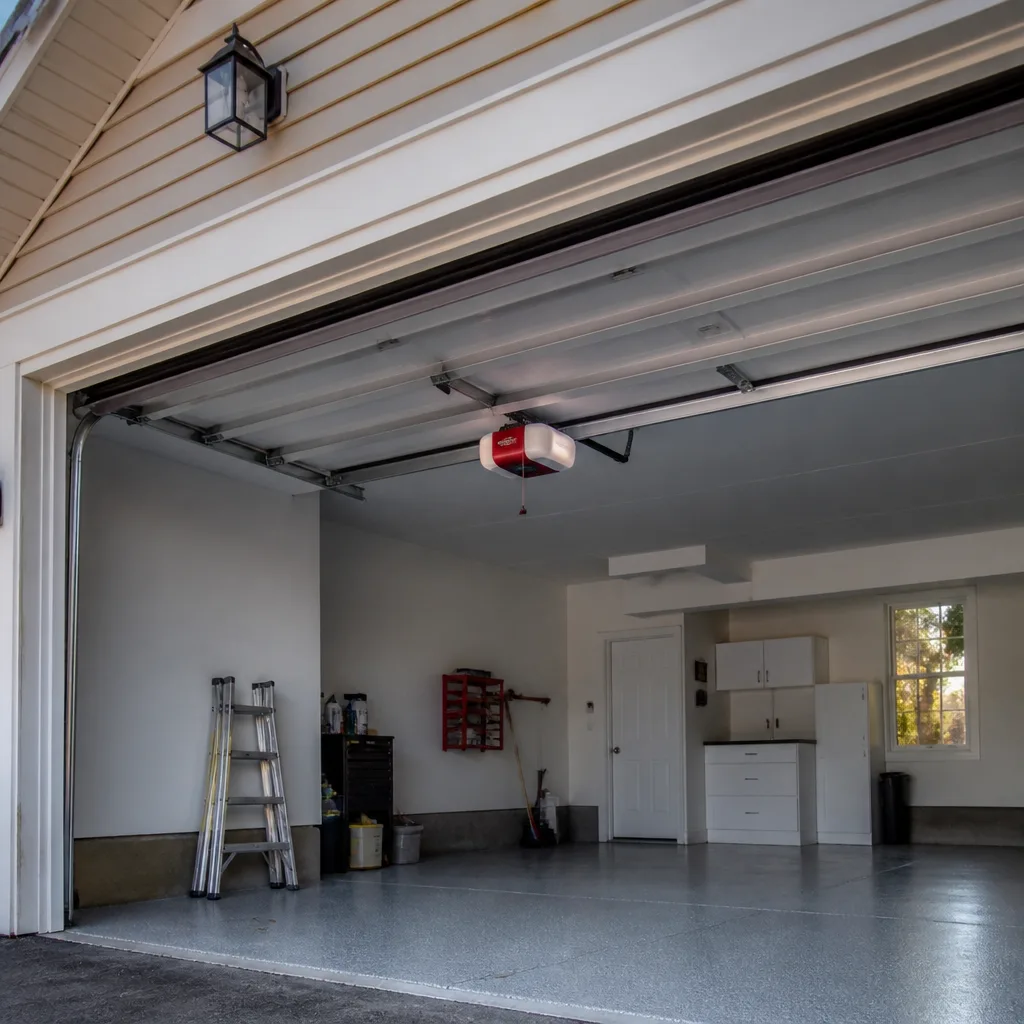 LiftMaster openers
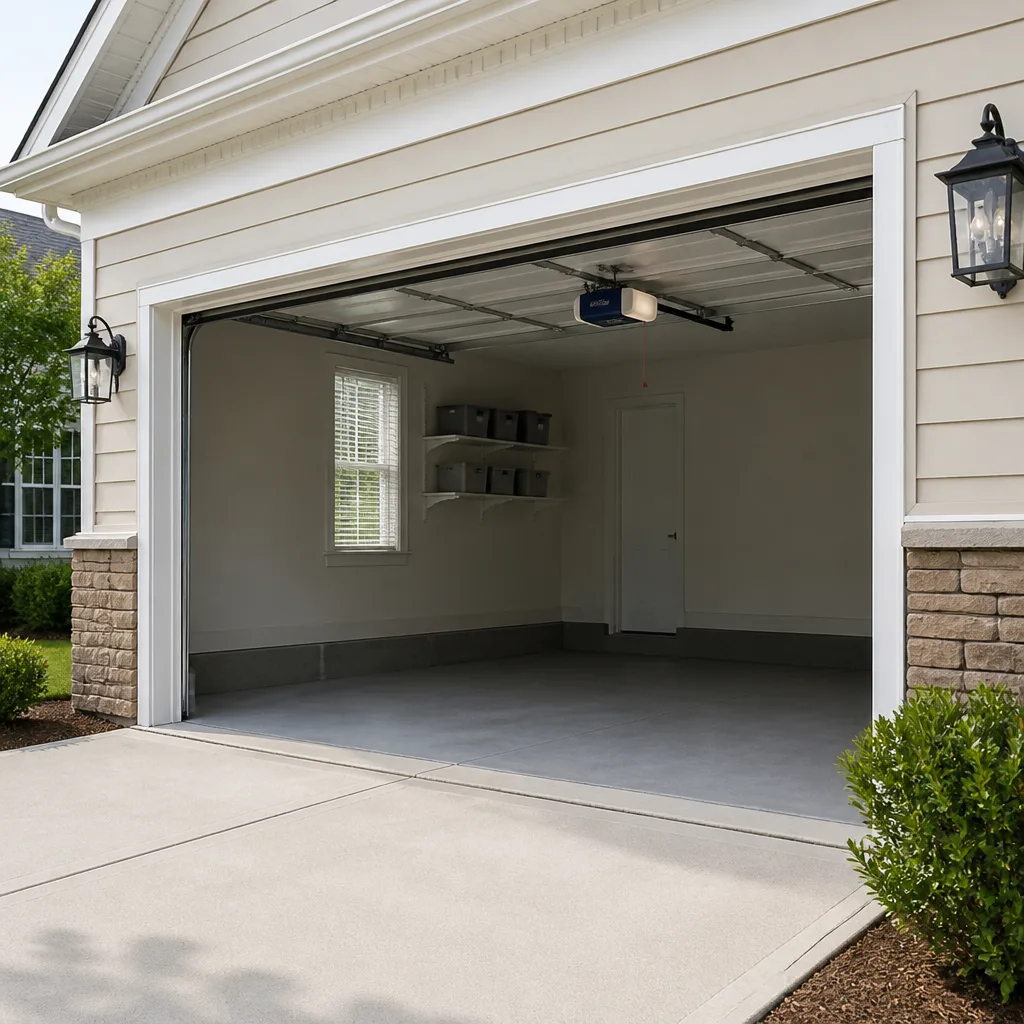 Chamberlain openers
Full 25-point door and opener safety check with every visit - springs, cables, rollers, tracks, and your LiftMaster or Chamberlain opener included
You get a price before we start. It does not change when the pro arrives.
Get your free estimateHow to Hire a Garage Door Contractor in Bellevue: A Step-by-Step Guide
Most homeowners hire a garage door contractor in a hurry, usually on the worst possible day, and the industry knows it. Quotes arrive fast, the language is vague, and the pressure to approve happens in your driveway. The result is that Bellevue homeowners often pay for work they can’t itemize on a quote they never really read. This guide is different from a review checklist. It teaches you to evaluate a contractor the way a specialist does: by the parts named, the labor explained, the license verified, and the estimate broken down line by line. By the end you’ll know exactly what to ask, what to reject, and what a fair quote actually looks like.
Quick Answer
To hire a garage door contractor in Bellevue, verify the business license through the Washington State Department of Revenue’s Business Lookup tool, demand a written estimate that separates parts from labor, confirm the contractor specializes in garage doors rather than general handyman work, and ask what spring type and opener brand the technician handles. A legitimate contractor will answer all of this before any work begins and will give you a written price you approve before the first bolt turns.
Styles & brands we work with
- Raised-panel steel
- Carriage house
- Modern flush
- Full-view glass
- LiftMaster openers
- Chamberlain openers
Table of Contents
- Why Bellevue Homeowners Get Targeted by Fly-by-Night Operators
- Specific Red Flags in a Garage Door Quote
- What Washington State Licensing Actually Covers, and How to Verify It in Two Minutes
- Questions That Separate a Specialist from a Handyman
- How to Read a Written Estimate: Parts, Labor, and What’s Missing
- Same-Day Availability Is Table Stakes, Not Competence
- How to Compare Contractors Side by Side
- Common Mistakes to Avoid
Why Bellevue Homeowners Get Targeted by Fly-by-Night Operators
Garage door repair sits in an unusual spot: it’s urgent, most homeowners have never dealt with it, and the parts involved are unfamiliar. A spring, a cable, and a set of rollers cost what they cost, but if you don’t know roughly what that is, any number on an invoice sounds plausible. That gap is where bait-and-switch pricing lives. An advertised low call-out number becomes a much larger bill before the technician leaves your driveway, because the homeowner had no baseline to reject it against.
Bellevue makes an especially attractive market for this. The city has a high concentration of newer homes with branded door and opener systems, meaning homeowners often assume the equipment is proprietary and expensive to repair. It usually isn’t. Most residential garage door hardware is standardized, and a trained technician can source compatible parts for virtually any door. When a contractor tells you the part is “special order only” and therefore costly, that’s a signal to push back.
Bellevue’s climate also shapes what fails first. The wet stretches from late fall through spring drive humidity into garages, and wood-composite doors absorb it. Doors swell, bind, and throw extra strain onto the torsion spring that balances them. Steel doors rust at the bottom panel where water pools on the concrete. Temperatures swing enough between summer and winter that metal tracks expand and contract, throwing alignment off. None of this is exotic, but it means a Bellevue garage door faces specific stresses a contractor working out of a drier climate might not expect. Learning which components fail most often here is your first defense against a padded quote.
Specific Red Flags in a Garage Door Quote
The warning signs in a garage door quote are concrete, not vague. A contractor who names the parts, the labor, and the expected time is a professional. A contractor who refuses to itemize is a risk, whether they mean to be or not. Here are the ones to watch for:
- Vague line items. If the quote says “garage door repair” with no breakdown of which component failed, which part is being replaced, and how much labor is involved, you have no way to compare it or verify it afterward.
- Refusal to separate parts from labor. A legitimate quote shows the cost of the spring, cable, or opener component separately from installation labor. Refusing to do so makes the price impossible to sanity-check or to negotiate on a re-quote.
- On-the-spot pressure to approve. Any contractor who tells you the price is “today only” or implies the quote expires when they walk to the truck is selling urgency, not workmanship. Get everything in writing and take the time you need to compare.
- Mystery parts with no name or number. If the technician installs a part without telling you the brand, model, or type, ask. Legitimate work is traceable.
- A price that changes after the inspection. A revised price after a proper inspection is normal. A revised price after the work is already done is a red flag.
- No physical business presence to verify. Washington State’s Business Lookup tool should confirm an active registration. If the contractor can’t point you to a verifiable license, walk away.
Every one of these flags shows up disproportionately in a market where homeowners are in a hurry. The defense is always the same: get the itemization before you approve.
What Washington State Licensing Actually Covers, and How to Verify It in Two Minutes
Washington State maintains an online business lookup through the Department of Revenue. Enter a business name or license number and you’ll see whether the contractor is registered, what trade category they hold, and whether the license is active. That takes about two minutes and it’s the single step most homeowners skip.
What the license actually tells you is narrower than you might assume. It confirms the business is registered to operate, not that any specific technician is trained in spring safety or brand-specific opener diagnostics. For garage door work, the more useful questions go beyond the license: does the contractor carry current liability insurance, can they produce a certificate of insurance on request, and are they a dedicated garage door contractor or a generalist who occasionally takes a door job?
You can also ask any contractor for proof of insurance and confirm the coverage dates align with the work. Insurance language should be straightforward, not defensive. If a contractor hesitates to share a certificate, that’s information too. For homeowners, the practical rule is: check the license, ask for the certificate of insurance, and confirm the specialty before you accept a quote. Do all three on the same call.
Questions That Separate a Specialist from a Handyman
A garage door specialist answers brand and component questions without pausing. A generalist guesses, deflects, or promises to “figure it out on-site.” Here are the questions to ask, and what a good answer sounds like:
- “Which opener brands do you know well?” A specialist should speak comfortably about LiftMaster, Chamberlain, Genie, and Craftsman units without needing to look them up. Brand familiarity means faster diagnosis because the technician recognizes the control board, the logic board layout, and the safety-sensor wiring pattern before opening the housing.
- “Do you work on both torsion and extension springs?” Torsion springs run horizontally above the door and handle most of the weight. Extension springs run along the sides. Each carries its own risk and needs a different approach. A contractor who only handles one type or who avoids spring work entirely isn’t a full specialist.
- “What’s your process for removing the spring tension safely?” This is the one that will reveal a seasoned specialist. They should describe a winding bar, a controlled release, and a plan for securing the door. Vague answers here are a genuine safety concern.
- “Which brands of door do you install?” A contractor who handles Clopay, Amarr, Overhead Door, Raynor, and similar lines has experience with different track systems and panel weights.
- “Do you carry parts for my brand, or do you have to order them?” Most residential hardware is standard enough to be sourced quickly. If the answer is “everything is special order,” ask more questions.
- “Are you licensed and insured in Washington?” You already know to verify this yourself, but the answer tells you whether they expect you to check.
These questions cost you five minutes on the phone. The answers can save you hundreds. We handle all four major service types – Garage Door Repair Bellevue Pros work that covers repair, spring work, opener diagnostics, and installation – because those are the four things that actually happen to a door. A specialist who can’t talk fluently about springs and openers and installations is probably plugging a gap.
How to Read a Written Estimate: Parts, Labor, and What’s Missing
A mechanically sound written estimate for torsion spring replacement will list the following, at minimum:
- The spring type (torsion vs. extension)
- The spring size (in terms of inside diameter and wire gauge, which determine the door’s lift capacity)
- Whether it’s one spring or a matched pair (most doors have a pair; a professional replaces both at once because the second spring is already fatigued to the same degree as the first)
- The cost of the spring itself
- The labor to wind, install, and test the new spring
- The cycle life of the replacement spring (a rough estimate of how many open-close cycles it’s rated for, usually given in thousands of cycles)
- Whether the price includes removal and disposal of the old spring
If the estimate is missing several of those items, it’s not a proper quote – it’s a price tag. A quote that says “spring replacement: $X” with nothing else tells you almost nothing. You can’t verify the type, the cycle rating, or the labor split. That kind of quote is where bait-and-switch tactics live.
For opener replacement or repair, the estimate should name the brand and model of the unit, the type of drive (chain, belt, or screw), whether a remote and safety-sensor setup is included, and whether the old opener is being disposed of. If you’re upgrading from a legacy unit to a modern smart-enabled model, the quote should also note any additional wiring or smartphone-pairing setup required.
Our rule, and the one we’d apply to any contractor: the estimate gets quoted and agreed before the work starts. No surprise additions after the technician is already on the ladder. For a specialist that knows the feel of a garage door repair job, that’s not a hard promise to keep.
Same-Day Availability Is Table Stakes, Not Competence
Every reputable garage door contractor in the Bellevue area can usually arrange same-day or next-day service for a failed door. That’s an expectation, not a differentiator. What actually separates contractors is what happens after they arrive: whether the diagnosis is fast and accurate, whether the estimate is detailed and holds, and whether the technician can finish the job in the first visit.
Homeowners often over-index on speed because a garage door failure is a real disruption – especially in a household where the garage is the main entry point. That urgency is understandable. But a contractor who guarantees same-day arrival while refusing to explain the parts is more expensive in the end than one who arrives the next morning with a proper quote.
To compare contractors beyond availability, ask:
- How many trips on average does a spring replacement take? (A one-trip job means the technician carries the right size spring.)
- What’s your process for confirming the opener is the failure point, not the door’s spring tension?
- If a second visit is needed, is it included in the quote or is it a new charge?
- Which brands of opener do you handle? (Specificity here is a real signal.)
Use same-day as the floor, not the ceiling. The best contractor in Bellevue for you is the one who can arrive fast and explain the work in specific terms. We answer 24/7. Fast dispatch, 7am-7pm, Sunday through Friday. Those hours exist to help you get the call handled, not to substitute for a competent diagnosis.
How to Compare Contractors Side by Side
Once you’ve gathered two or three quotes, the comparison becomes straightforward. Here’s a step-by-step process:
- Check the license first. Open the Washington Department of Revenue’s Business Lookup and confirm all three candidates are active and registered. Remove any that fail.
- Ask for proof of insurance in writing. Anyone who ignores this request or makes excuses is out.
- Compare the line items, not the totals. Lay the quotes side by side. Do all three name the same parts? Are the labor lines in the same ballpark? A total that’s much lower can mean lower-quality parts or hidden charges to come.
- Check brand specificity. Ask specifically about LiftMaster and Chamberlain openers, Clopay or Amarr doors, and Craftsman or Raynor units. A specialist should speak to each easily.
- Ask what happens if the repair fails. A clear call-back policy matters more than a vague “guaranteed” promise.
- Confirm whether the quote covers disposal, cleanup, and re-testing. A thorough estimate includes all three.
- Go with the contractor who gives you the most detailed written estimate, not the lowest total. Price differences between legitimate contractors are usually modest. The difference between a professional and a bait-and-switch operator is not.
One word of caution: a very low total from one contractor against two much higher quotes is worth investigating. Ask what part they’re using, whether it’s rated for the cycle life you’d expect, and whether the price includes cleanup. Often the low total is the bait, and the real cost shows up after you’ve said yes.
What About Older Doors and Non-Standard Systems?
Not every Bellevue garage has a standard 7-foot door with a modern LiftMaster opener. The Eastside has plenty of older homes with wood doors, tall ceiling clearance, and legacy openers like older Genie chain-drive units. When you’re hiring a contractor for that kind of property, the brand-fluency questions matter even more. A specialist should be able to tell you whether they’ve seen a particular opener generation often enough to recognize its failure modes, and whether the parts are still available.
If your door is genuinely non-standard – odd width, custom panel dimensions, or a torsion setup with unusual spring sizing – be suspicious of any contractor who quotes over the phone without seeing it. A contractor who quotes without an inspection is guessing, and the written estimate is where the guess gets replaced with real numbers.
When it’s time to replace rather than repair, work with a contractor who can talk through both the repair cost and the replacement cost so you can compare fairly. For a replacement, expect a measured quote and an ordering timeline; that work isn’t same-day. Learn more about how we handle garage door installation so you know what to expect when you request a measure.
See the difference
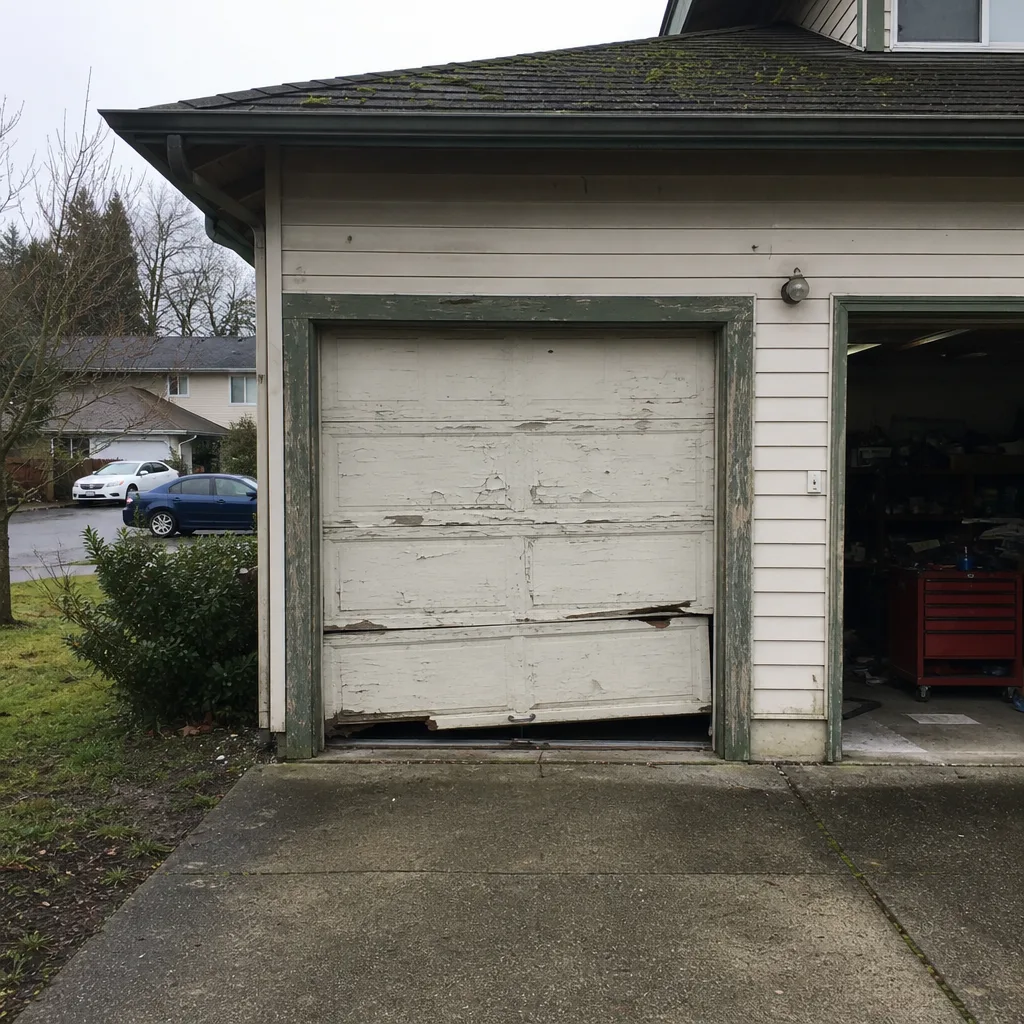 Before
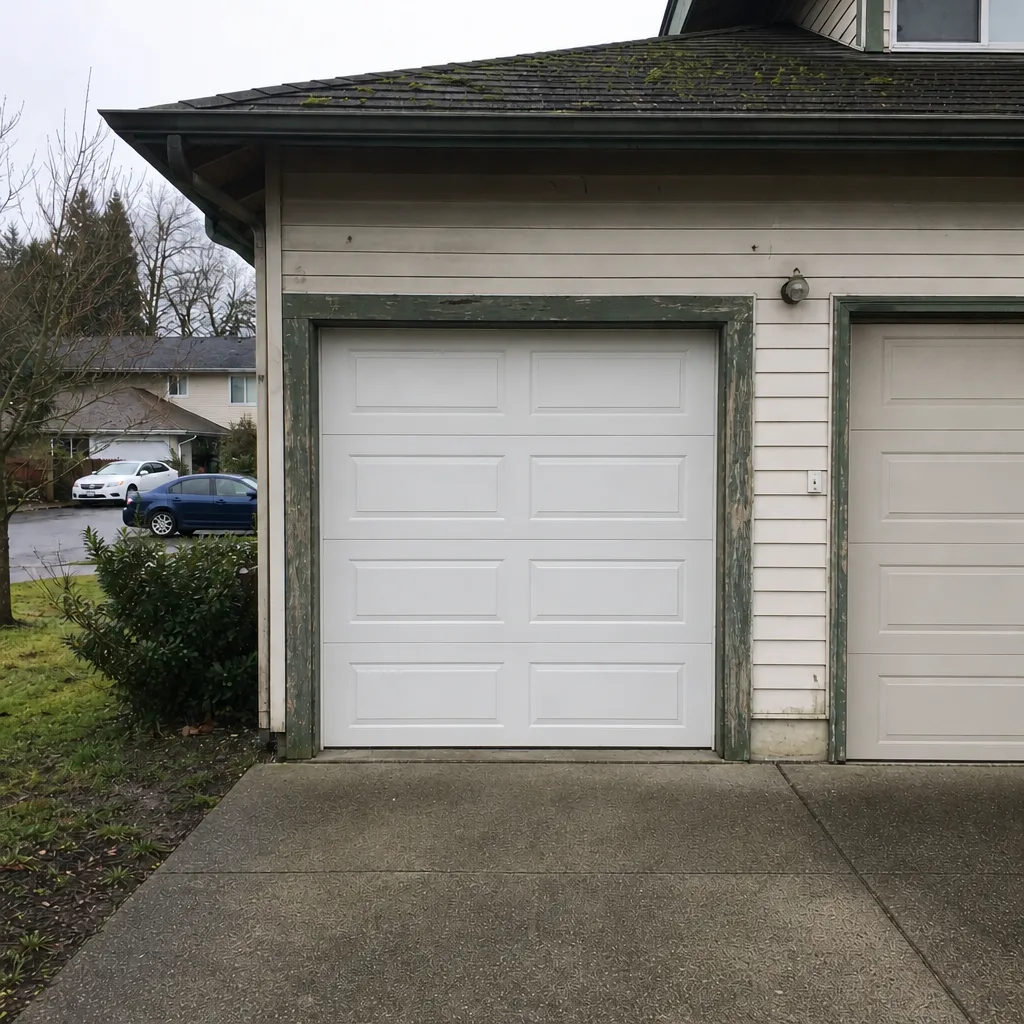 After
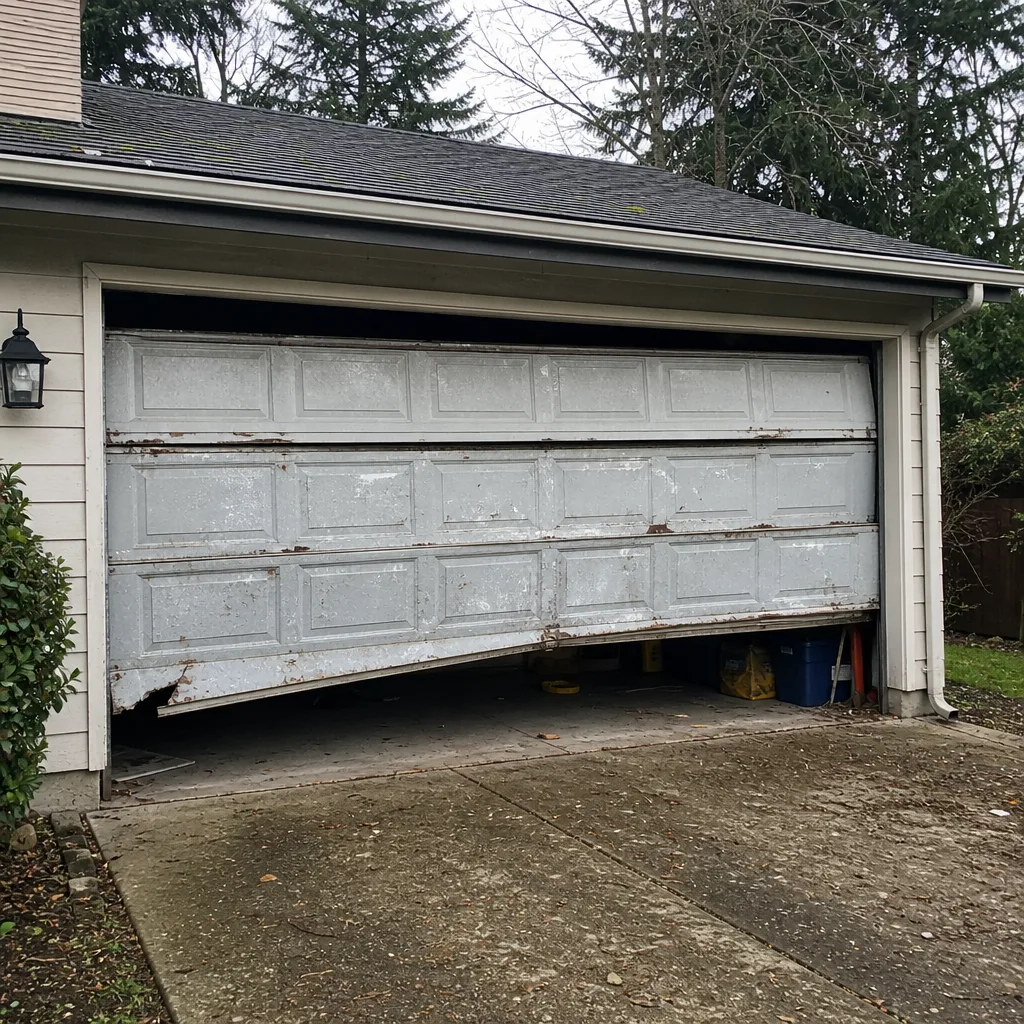 Before
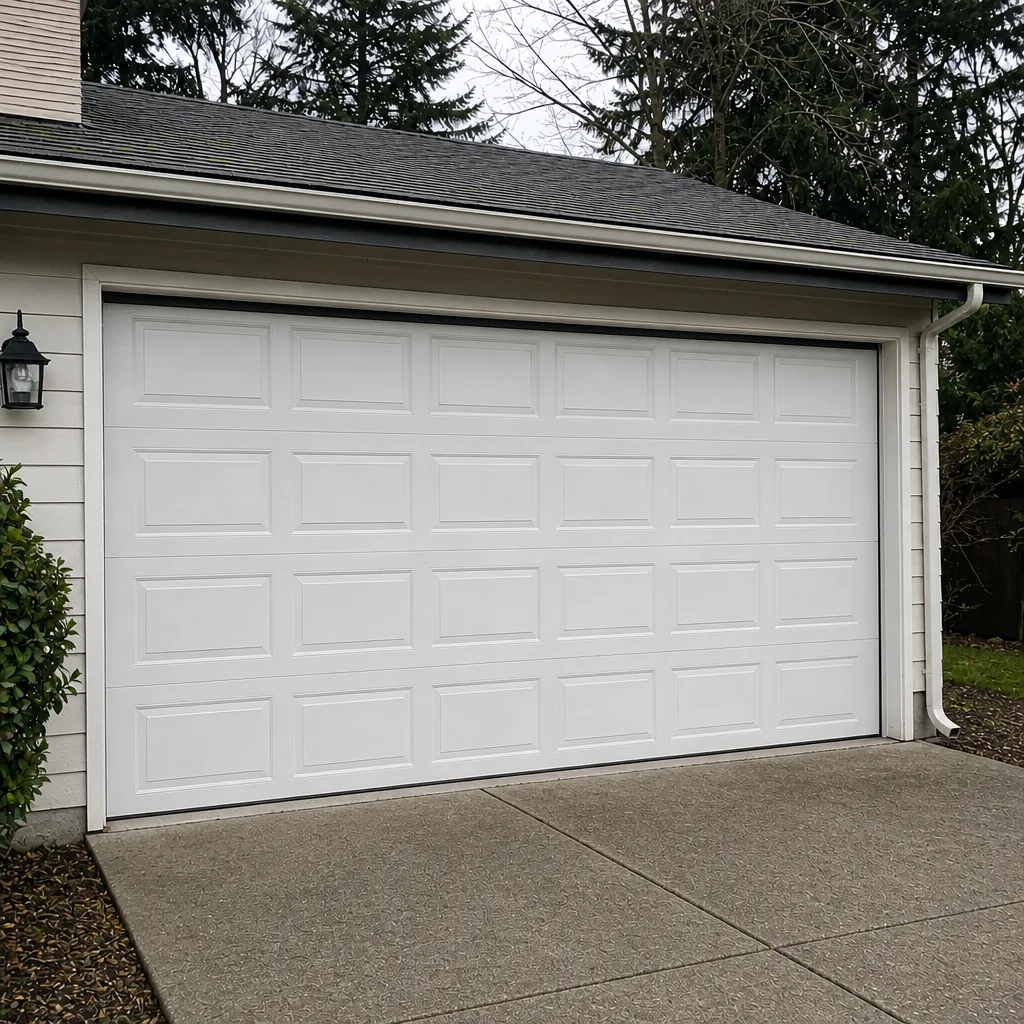 After
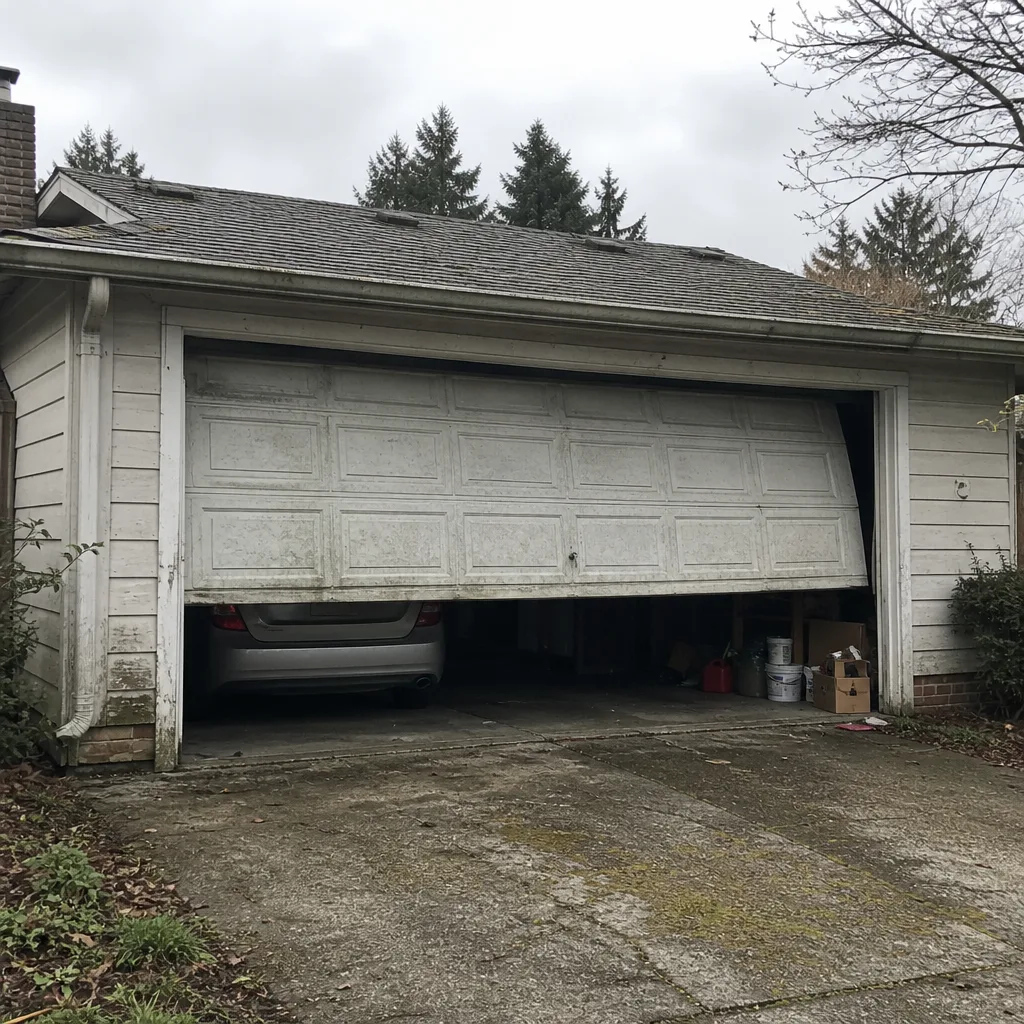 Before
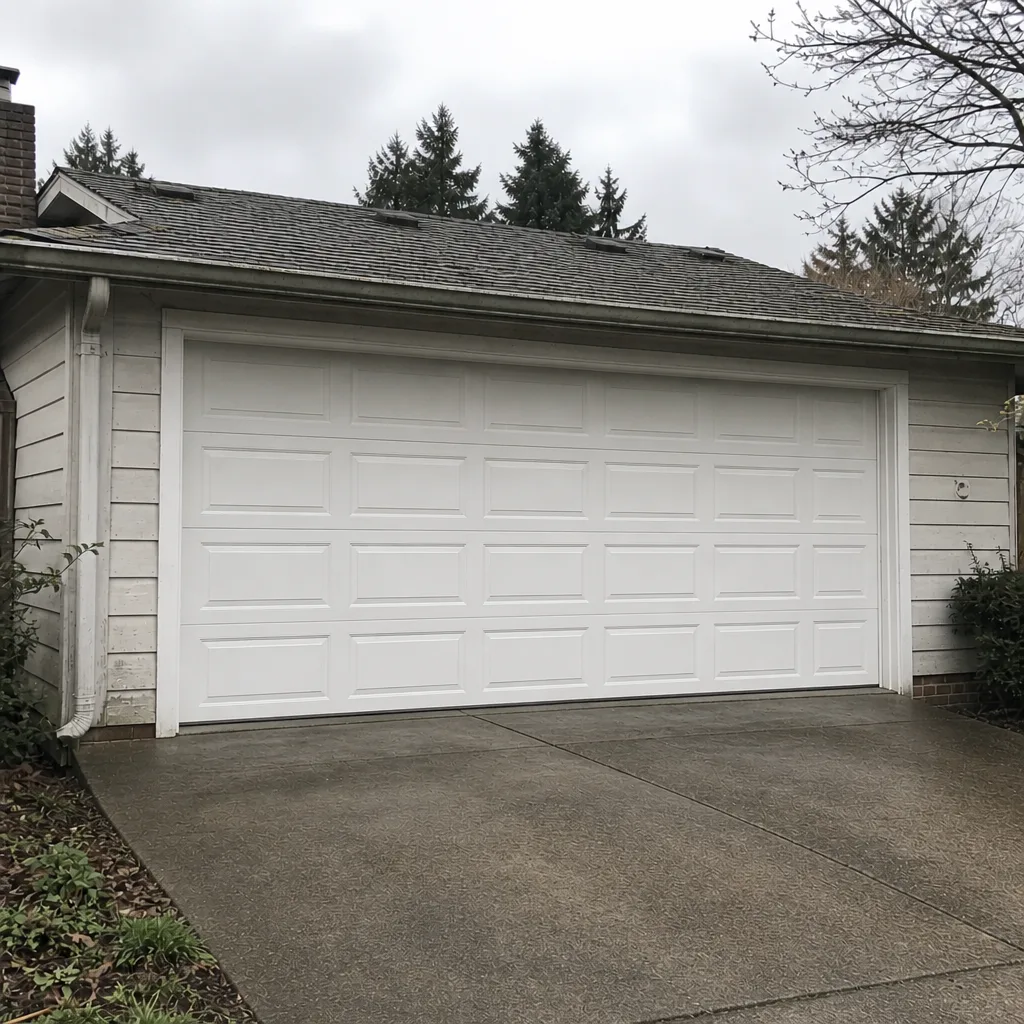 After
What Does Garage Door Repair Typically Cost in Bellevue?
We can’t give you a single number because garage door repair isn’t one job. A broken spring, a stripped opener gear, and a bent track all have different parts and labor behind them, and the estimate you receive should reflect the specific failure. What we can tell you is that a licensed local pro should be able to itemize the parts and labor in writing before any work begins. Our policy is the same as what we recommend to every homeowner: get the written estimate first, agree to it, and then let the work proceed. The price on the estimate is the price.
Common Mistakes to Avoid
- Skipping the online license check. Two minutes on the Department of Revenue’s Business Lookup will tell you whether the contractor is properly registered in Washington State. It’s the easiest check to do and the one people most often skip.
- Accepting the first estimate on the spot. The pressure tactics are real. Take the quote, close the door behind the technician nicely, and call back after you’ve read the line items. A real contractor will still be there.
- Hiring a general handyman to handle a spring. Spring replacement involves high-tension springs under enormous load. It’s not a job for someone who “does a bit of everything.” A generalist should refuse. If they don’t, that’s a bigger concern than the price.
- Assuming the highest price is the safest. Overpricing and underpricing both happen. Verify the part name, the labor split, and whether the quote matches what the technician says before you hand over a card.
- Ignoring Bellevue’s wet-season maintenance signals. If you notice the door getting heavier or the spring sounding different in January, that’s moisture and temperature at work. A checkup is often cheaper than an emergency.
- Confusing an opener problem with a door problem. When an opener fails to lift the door, it’s often not the motor. A worn spring or seized roller can make the door too heavy for the opener to lift. A specialist will test both before quoting an opener replacement.
- Trusting a “brand-certified” label without asking what it means. Ask whether the certification is manufacturer-specific (meaning the technician completed a training program for that brand’s products) or just a generic “certified” sticker. LiftMaster and Chamberlain both publish dealer and technician training; a contractor who uses the term should be able to tell you which program.
When to Call a Professional
Some garage door symptoms say “call now” without much ambiguity. A snapped torsion spring, a door that has come off its track, a cable that’s visibly unspooled or frayed, or a door that slams shut with force are all situations where a trained technician with the right tools is required – not a homeowner with a wrench. A garage door is a heavy, spring-loaded mechanism. The springs carry enough stored energy that a mistake can cause severe injury. If you suspect a spring or cable problem, leave the door closed and call a professional.
Less urgent but still worth a call: an opener that runs but won’t lift, a remote that works sometimes, a door that reverses randomly, or a bottom seal that’s started to crumble. A specialist can usually diagnose all of these in one visit. Garage Door Repair Bellevue Pros offers free estimates in Bellevue – call (833) 962-9266. We answer 24/7. Fast dispatch from 7am to 7pm, Sunday through Friday.
Frequently Asked Questions
Spring repair cost depends on the spring type, size, and whether you need one spring or a matched pair. Because a pair is usually replaced together, a pair costs about twice what one spring does. A written estimate from a Bellevue specialist will separate the spring part cost from the labor. Call (833) 962-9266 for an exact quote; estimates are free.
Same-day service is usually possible for repair calls, especially spring, cable, and opener issues. We answer 24/7. Fast dispatch from 7am to 7pm, Sunday through Friday. Call (833) 962-9266 to check availability for your area.
No. The written estimate is the price – we quote and agree before any work starts. If an inspection reveals a second problem that wasn’t visible on the initial call, we’ll discuss it with you and quote that separately, with your approval first.
The local pros we connect you with are state-licensed and carry insurance as required for their trade. You can verify registration through the Washington State Department of Revenue’s Business Lookup before any work begins. Ask any contractor you hire for a certificate of insurance as standard practice.
Repair is usually the right call when the door structure and panels are sound and only a component has failed – a spring, a cable, a roller, or an opener. Replace when the panels are rusted through, the door is visibly sagging, or you’re facing multiple failures at once. A specialist can quote both options so you can compare them side by side.
A garage door specialist works only on garage doors: springs, openers, tracks, panels, and safety systems. A general contractor or handyman handles many trades and treats the garage door as a side job. For spring work, opener diagnostics, and installation, the specialist has the tools and training specific to the job.
Yes, once or twice a year is typical here. Bellevue’s damp stretches from late fall through spring cause hinges and rollers to dry out and bind. A light garage-door lubricant on the hinges, rollers, and spring (not the tracks) keeps the door running smoothly and reduces stress on the opener. If the door is already noisy, a technician can tell you whether lubrication will fix it or whether a component is failing.
A specialist should be fluent in the major brands: LiftMaster, Chamberlain, Genie, Craftsman, and Raynor are the most common in Bellevue homes. Ask specifically whether they’ve diagnosed your brand before. A contractor who says “we figure it out on-site” hasn’t done the work often enough.
The Bottom Line
Hiring a garage door contractor in Bellevue is mostly a matter of knowing what to ask and refusing to skip the verification steps. Get the license check done first. Demand an itemized written estimate that separates parts from labor. Ask the brand and spring-type questions in the first phone call – the answers tell you immediately whether you’re talking to a specialist. Treat same-day availability as the baseline, not the differentiator, and compare contractors on the specificity of their quote rather than the total at the bottom. That process consistently lands homeowners with a contractor who does the work right the first time, at a price they agreed to before the first tool came out of the bag.
If you’d like a free estimate in Bellevue, call (833) 962-9266. We handle garage door opener repair and every other major garage door service, and we’re happy to walk you through what your repair or installation will actually involve. We answer 24/7. Fast dispatch from 7am to 7pm, Sunday through Friday.
Written by the team at Garage Door Repair Bellevue Pros.