
Last updated November 20, 2026
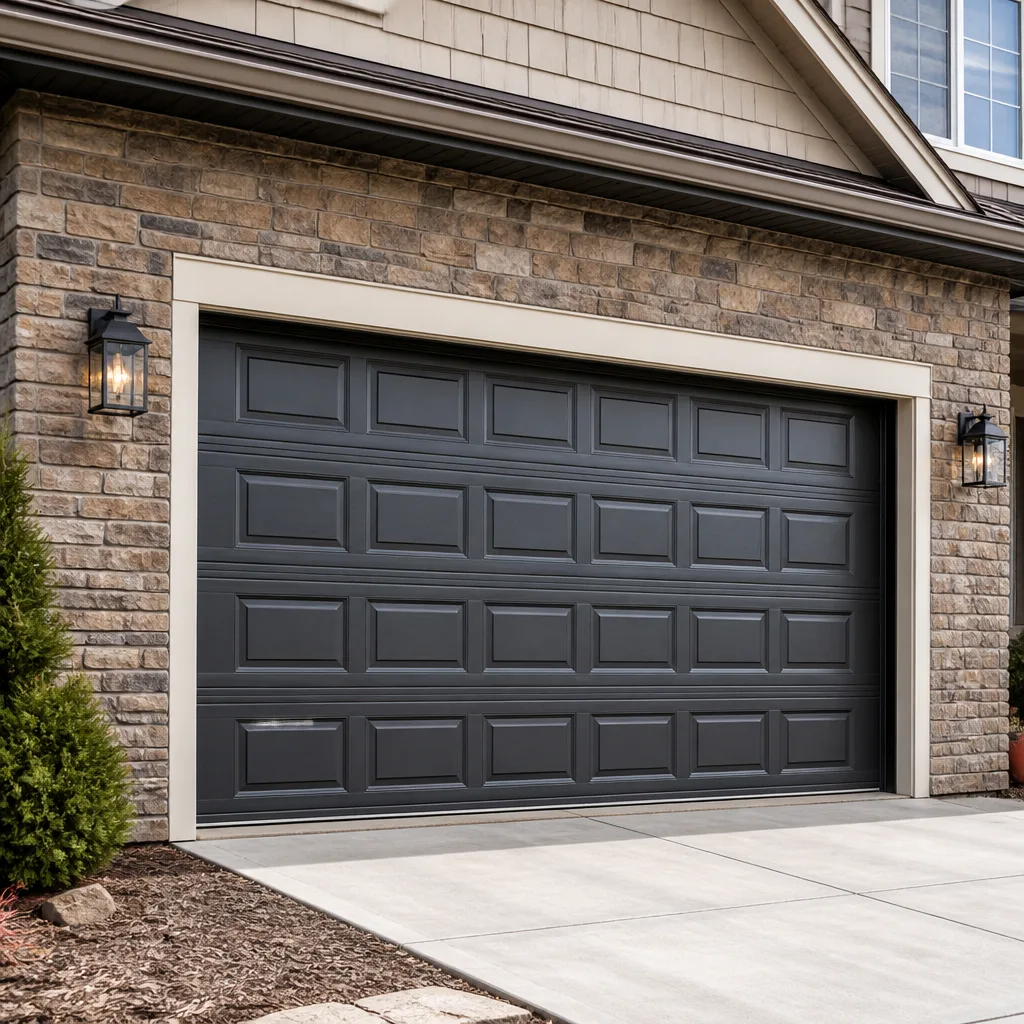 Raised-panel steel
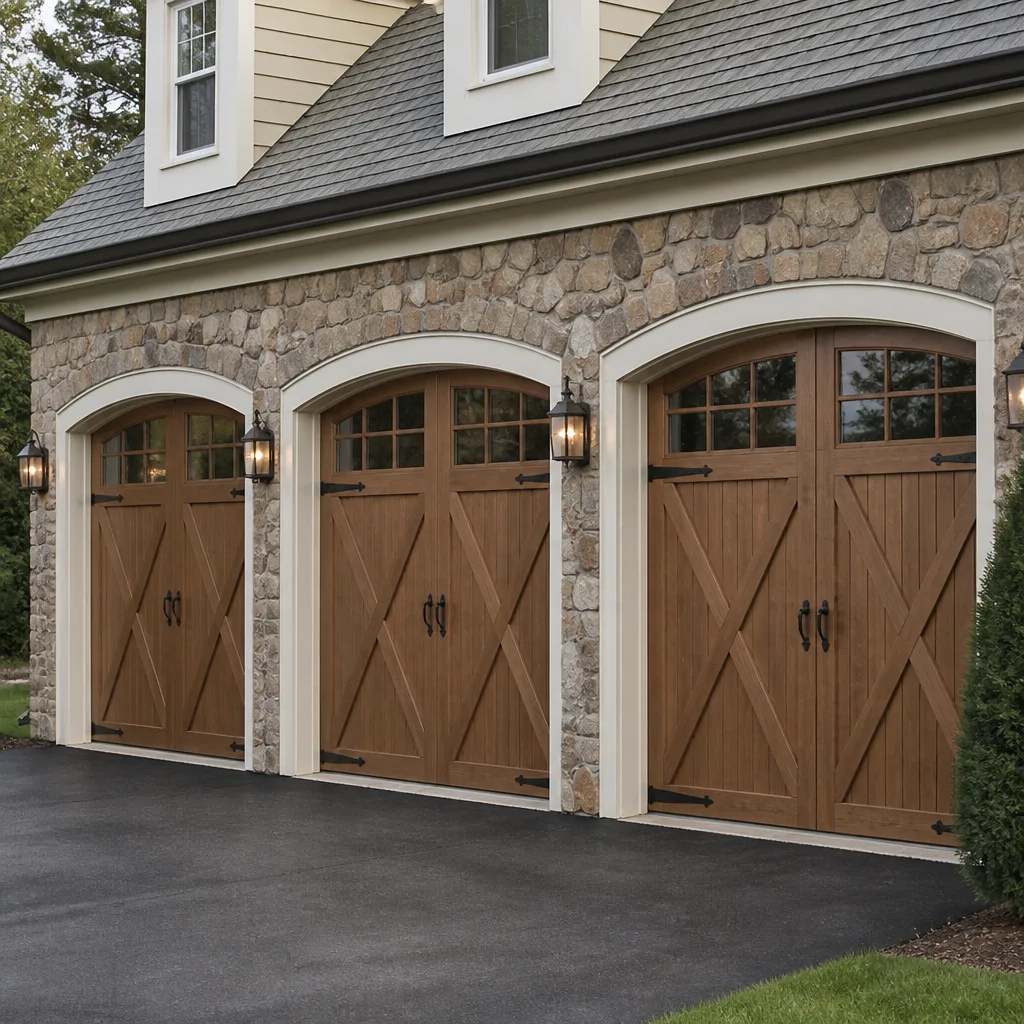 Carriage house
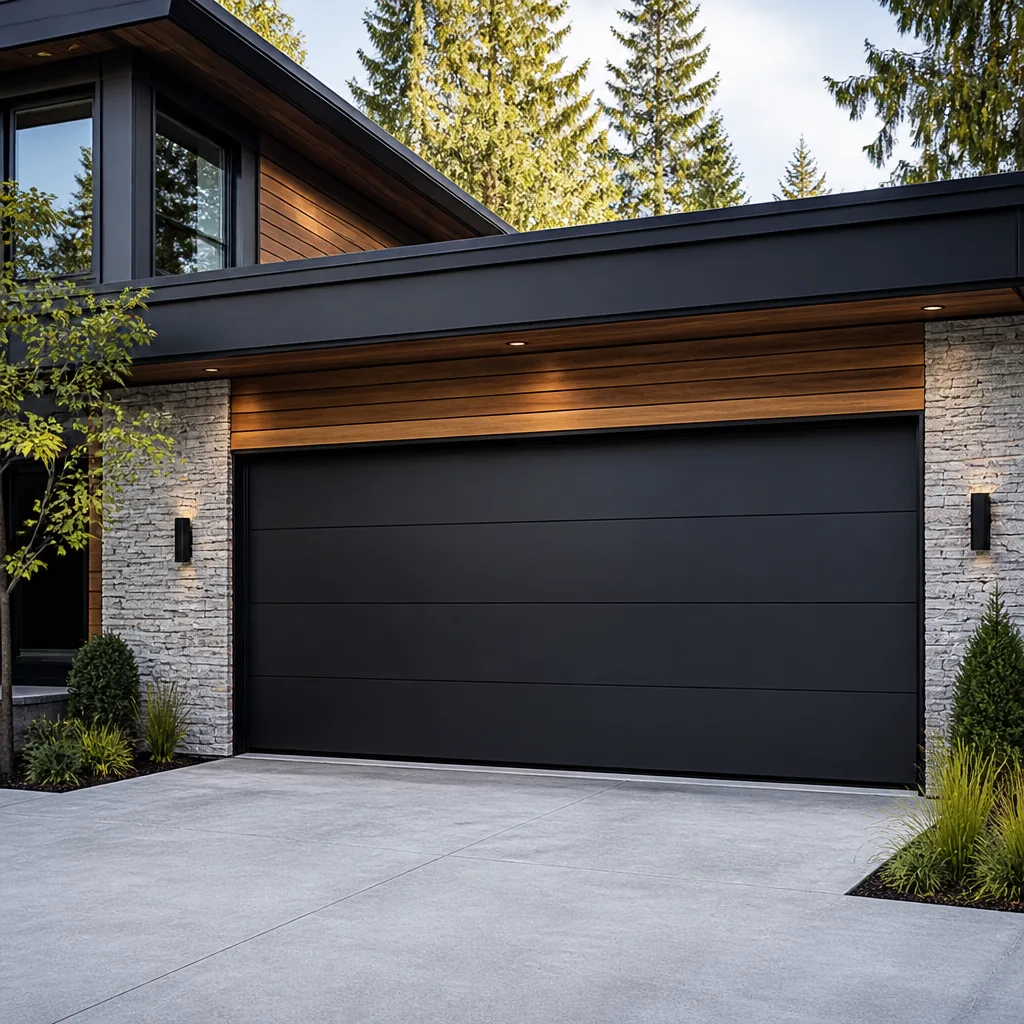 Modern flush
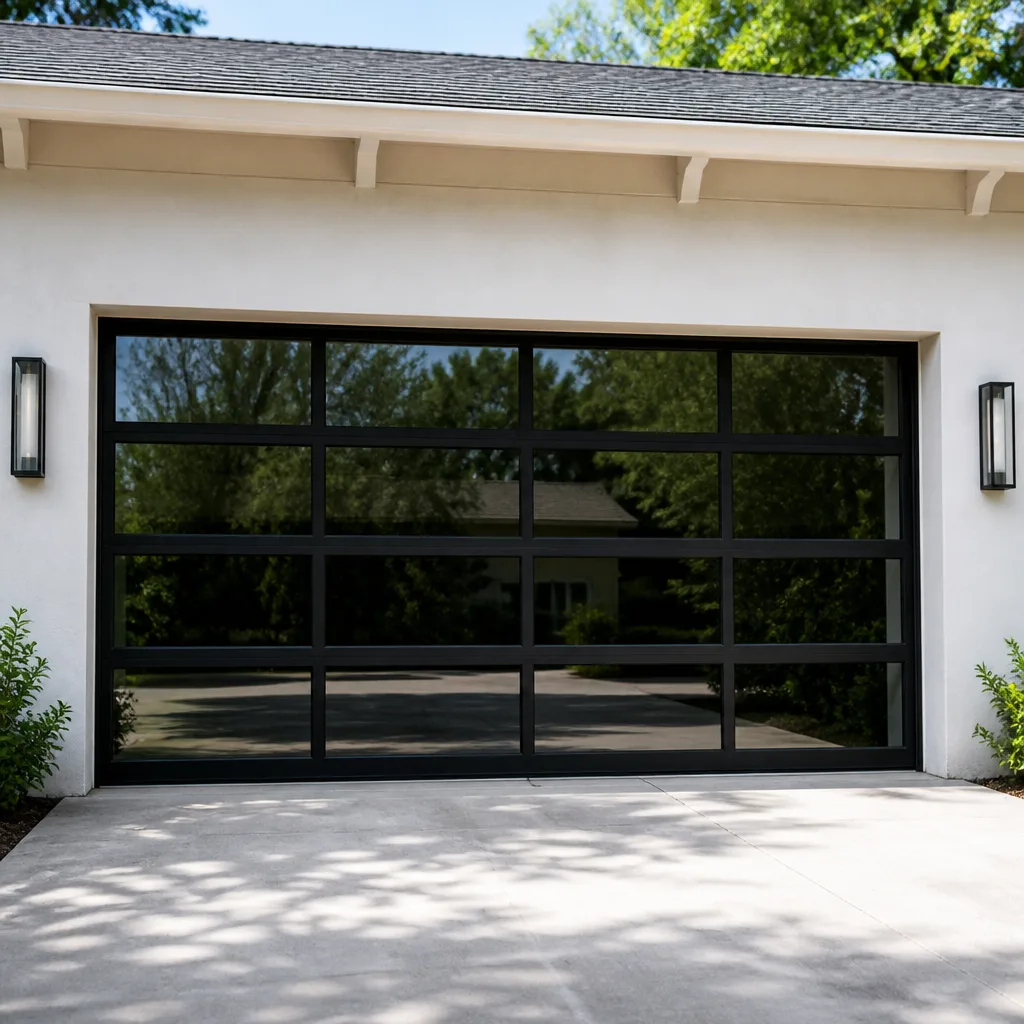 Full-view glass
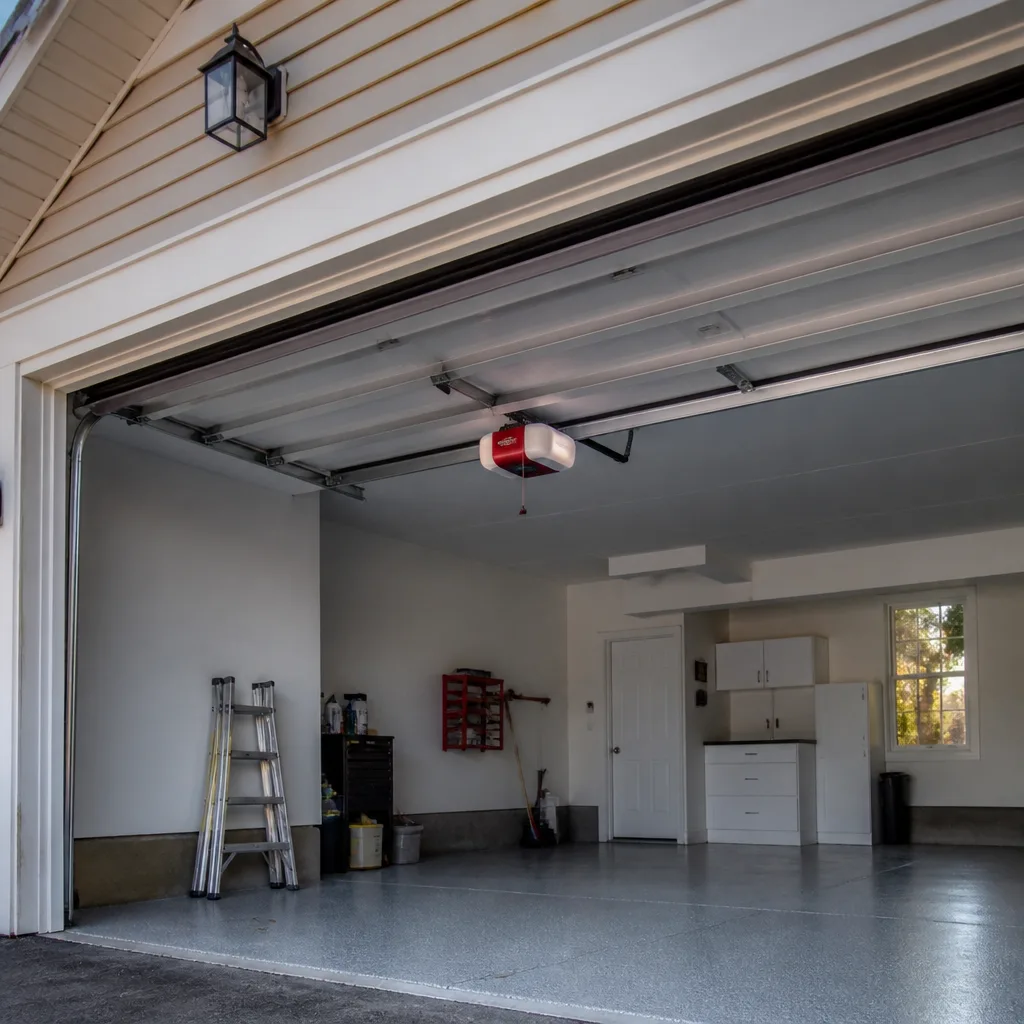 LiftMaster openers
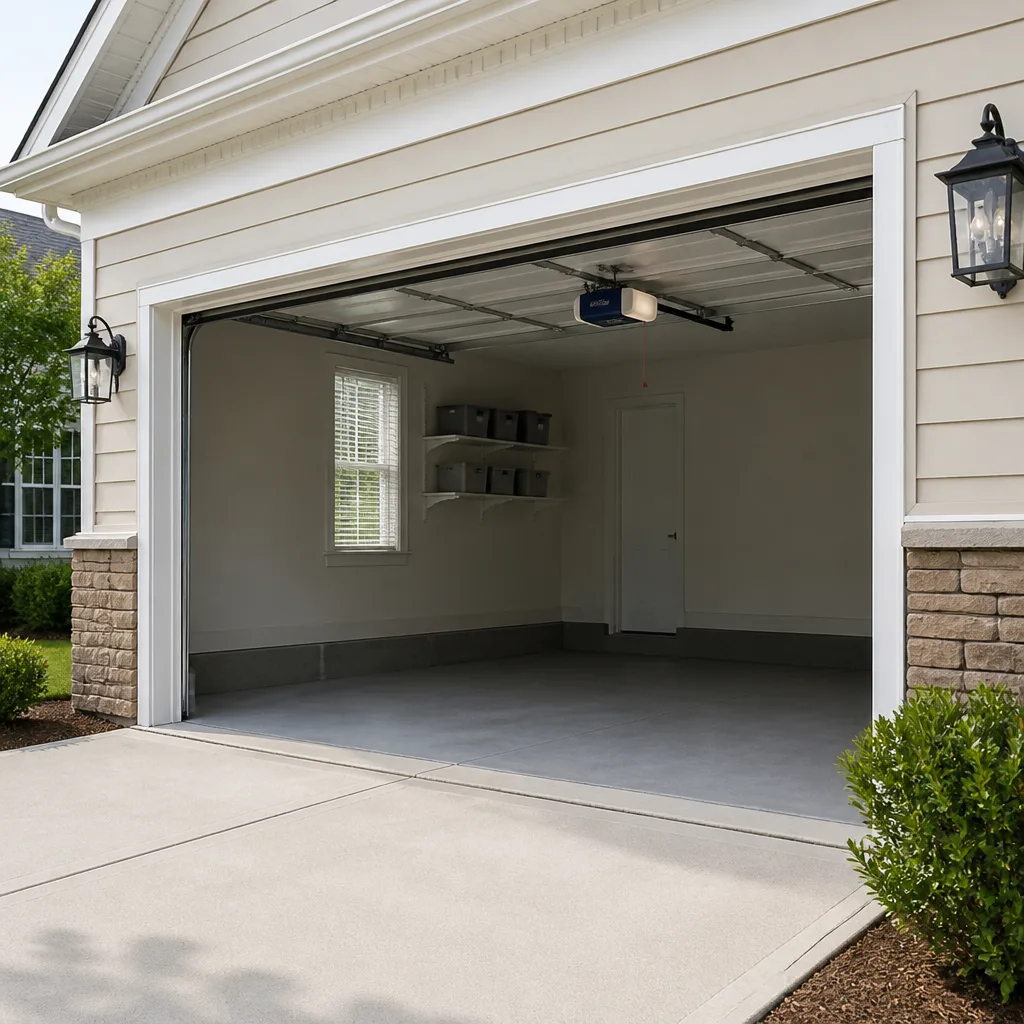 Chamberlain openers
Full 25-point door and opener safety check with every visit - springs, cables, rollers, tracks, and your LiftMaster or Chamberlain opener included
You get a price before we start. It does not change when the pro arrives.
Get your free estimateSeasonal Garage Door Care for Bellevue: Year-Round Homeowner’s Guide
Bellevue’s mild reputation tricks a lot of homeowners into skipping seasonal garage door prep entirely. That’s the mistake. Our region doesn’t punish doors with deep freezes or scorching weeks, so nothing fails loudly on a schedule the way it does in harsher climates. Instead, the damage accumulates quietly through the wet months, and the freeze-thaw window in February and March is when torsion springs snap at the highest rate. Metal fatigue builds all winter, then the first hard cold snap finishes the job. This guide walks through what actually happens to a garage door in Bellevue month by month: which components are at risk each season, what to check and when, and how a few small habits keep a daily-use door out of trouble.
Quick Answer
Seasonal garage door care in Bellevue centers on five checkpoints: a wet-season lubrication routine for rollers, hinges and springs; spring-loaded inspection right after the February-March freeze-thaw window; summer attention to south-facing weatherstripping and paint; fall clearing of photo-eye sensors and bottom seals from leaf debris; and a post-season corrosion check on hinges, cables and bottom brackets. Homeowners who follow that calendar catch most failures before they become repairs.
Styles & brands we work with
- Raised-panel steel
- Carriage house
- Modern flush
- Full-view glass
- LiftMaster openers
- Chamberlain openers
Table of Contents
- Bellevue’s Garage Door Failure Calendar: What Breaks and When
- Why February and March Are Peak Season for Broken Springs
- Summer Heat on South-Facing Doors: Weatherstripping and Paint
- Fall Debris: Photo-Eye Sensors and Bottom Seal Contact Points
- Winter Prep: Why Lubrication Beats Weatherstripping in Bellevue
- Spring Post-Season Inspection: Catching Corrosion Early
- A Month-by-Month Checklist You Can Actually Keep
- When to Call a Professional
Bellevue’s Garage Door Failure Calendar: What Breaks and When
Garage door service calls in Bellevue follow a predictable rhythm, and knowing it lets you work ahead of the failures instead of reacting to them. The pattern isn’t driven by dramatic weather. It’s driven by the transition between our wet season and our dry one, and by how much debris and moisture the door collects along the way.
Here’s the rough service calendar we see across Bellevue neighborhoods, from the wooded lots around Cougar Mountain to the older homes near Downtown and Crossroads:
- January and February: Peak spring fatigue. Cumulative metal stress built through the wet months meets the coldest nights, and torsion springs are the most common failure.
- March: Post-freeze inspection season. Cables, bottom brackets and hinges show the first corrosion after months of moisture; opener strain becomes visible.
- April and May: Opener and safety-sensor calls climb as homeowners notice reversed doors or doors that won’t close all the way.
- June through August: Weatherstripping and finish calls. South-facing doors take the most sun and dry out fastest.
- September and October: Sensor and bottom-seal problems from leaf debris, especially under tree-heavy lots.
- November and December: Roller and hinge noise, plus the prep work that determines how the door survives the next freeze.
The takeaway is simple: the biggest single failure of the year, a broken spring, is set up months in advance. The condition of your door in November has a lot to do with whether it makes it through February. When a spring does fail, our garage door repair team handles it as a core part of the work, because springs are the component that most often puts a door out of commission.
Why February and March Are Peak Season for Broken Springs
Torsion springs fail at the highest rate in Bellevue during the freeze-thaw window from late February into March. That surprises people, because our winters are mild. The reason is that spring failure is cumulative. Every open and close cycle bends the steel a little, and the moisture-heavy air of a Bellevue winter adds micro-corrosion to the coil. The steel weakens month by month, and then one cold night tightens the metal just enough to push a fatigued spring past its limit.
A broken torsion spring is loud and obvious. A snapped extension spring usually isn’t, at first: the door may still open but feel heavy or crooked. Either way, the door should come down and stay down until it’s repaired.
What to check in late February and March
- With the door fully closed and the opener disconnected, look at the torsion spring above the door for a visible gap in the coil.
- Check extension springs at the sides for a stretched section or a hanging safety cable.
- Listen for a sharp bang from the garage, which is the classic sound of a spring letting go.
- Test the door’s balance by lifting it partway by hand and letting go. A door that won’t hold position is a door with spring trouble.
- If you find a gap, a stretch, or a door that won’t balance, stop using the door and call a technician.
A safety note we won’t skip: torsion springs and their cables are under extreme tension and are the most dangerous part of any garage door system. Never try to loosen, wind or remove a spring yourself. A trained, properly equipped technician handles this work for good reason, and it’s exactly the kind of job our Garage Door Repair Bellevue Pros service is built around.
Summer Heat on South-Facing Doors: Weatherstripping and Paint
A south-facing garage door in Bellevue takes the most direct sun of any door on the house, and our dry summers do more damage to the finish than most homeowners expect. The problem is drying, not heat. Weeks of sun and low humidity pull moisture out of the rubber weatherstripping along the bottom and sides until it stiffens, cracks and stops sealing. At the same time, paint and stain on a steel or wood door oxidize faster on that sun-facing face, which is why a south-facing door often looks years older than the rest of the house.
The fix is straightforward and cheap compared with a repair. A soft, pliable bottom seal keeps out water, insects and cold air, and it protects the door’s bottom edge from rot. Seal material is inexpensive; replacing a rotted bottom section is not. Check the seal in June by pressing it with a thumb. If it doesn’t spring back, or if it’s cracked or brittle, it’s due for replacement.
Summer care list
- Press the bottom seal along its full length and look for cracks, flat spots or gaps at the corners.
- Wash the sun-facing panel and check for oxidation, chalking or fading paint.
- Re-seal or repaint a steel door when the finish starts to chalk, before rust gets a foothold.
- Clear the tracks and wipe them down; summer dust collects where the rollers ride.
Fall Debris: Photo-Eye Sensors and Bottom Seal Contact Points
Bellevue’s tree-heavy neighborhoods, especially around the older lots in Bridle Trails and the wooded edges near Cougar Mountain, put the safety sensors to the test every autumn. The photo-eye sensors sit a few inches off the floor on each side of the opening, and that’s exactly where wet leaves, twigs and mud collect. When the beam between them is blocked, the door reverses or refuses to close, and it’s the most common reason a door “suddenly stops working” in October and November.
Before you call anyone, try the simple check. Wipe both lenses with a soft cloth, clear the debris around the bases, and see if the door closes normally. In most cases it will. If the sensors still misbehave after a cleaning, or the indicator lights won’t settle, the alignment or the sensor itself needs attention.
Fall prep steps
- Clear leaves and twigs from both sensor lenses and the floor between them.
- Wipe the bottom seal and check contact points along the whole threshold for trapped debris that keeps the door from sealing.
- Rake debris away from the base of the door so drainage doesn’t push water toward the bottom edge.
- Check that both sensors are pointed at each other and the indicator lights are steady.
- Do a full test cycle: open, close, and confirm the door reverses when you pass an object through the beam.
If your door has a smart opener, such as a LiftMaster or Chamberlain model, the fall season is also a good time to re-check the app notifications and safety-reversal settings. Our garage door opener repair work covers everything from older chain-drive units to Wi-Fi-enabled systems, so if the sensor problem turns out to be inside the opener, we can sort it out.
Winter Prep: Why Lubrication Beats Weatherstripping in Bellevue
Most seasonal guides tell you to focus on weatherstripping before winter. In Bellevue, lubrication matters more. Our cold is wet-cold, not the dry, deep cold of the interior West, and wet-cold attacks moving metal parts differently. Moisture works into the roller bearings, hinge pins and spring coils, and each frost cycle stiffens the lubrication that’s already there. A dry, dusty roller in a dry climate just squeaks. A roller that’s collected winter moisture can seize, and a seizing roller drags on the opener and distorts the track.
So the winter prep routine should center on the moving parts. A proper garage door lubricant on the rollers, hinges and spring coils keeps water out and keeps everything moving freely through the wet months. A silicone-based product on the weatherstripping helps too, but it’s the second priority, not the first.
Winter prep checklist
- Lubricate rollers, hinge pins and spring coils with a garage-door-specific lubricant, not a general-purpose oil that attracts grit.
- Wipe any rust film off the tracks and inspect them for bends.
- Check the weatherstripping along the bottom and sides, and replace anything stiff or cracked.
- Test the door balance by hand with the opener disengaged.
- Look at the hinges and bottom brackets for early rust before it spreads.
Do this in November, before the first real cold settles in, and you give the door its best chance of getting through the February freeze-thaw window without a failure. If you find something that needs a trained eye, our technicians have up to 8 years of experience and handle roller and hinge work as part of larger repairs.
Spring Post-Season Inspection: Catching Corrosion Early
When the wet season ends, usually around April, the door has been through months of moisture and temperature swings. That’s the moment to check for corrosion on the parts that don’t get much attention the rest of the year: hinges, cables and bottom brackets. Small rust spots at this stage are cosmetic and easy to address. Left alone through another wet season, they become seized hinges and frayed cables that turn a small maintenance item into a repair.
Here’s what a proper post-season inspection covers, and what you can reasonably check yourself:
- Hinges: Look for rust at the hinge plates and pins. A light lubricant film after cleaning prevents further corrosion.
- Cables: Check for fraying, kinks or rust at the drum and bottom bracket. Cables are under tension and should only be handled by a technician.
- Bottom brackets: These take the most ground moisture. Look for rust that’s eating into the metal, not just surface discoloration.
- Tracks: Wipe them down and check for bends or misalignment from the winter’s use.
- Springs: Even if nothing has failed, look for rust streaks on the coils, which signal moisture exposure and point to a weakened spring.
Cables and bottom brackets are load-bearing, high-tension components. Check them visually, note anything that looks off, and let a professional handle the fix. Getting ahead of corrosion in April is how you avoid a bigger job in July.
A Month-by-Month Checklist You Can Actually Keep
Seasonal care only works if it’s realistic. Here’s a condensed version that takes minutes and fits the way people actually live in Bellevue.
Every month
- Open and close the door fully once and listen for changes in sound.
- Wipe the photo-eye sensor lenses.
February and March
- Watch and listen for a broken spring; test the door balance by hand.
- Stay off the door if anything feels off, and call for an inspection.
April and May
- Do the post-season inspection for hinge, cable and bracket corrosion.
- Book any repair before the busy summer months.
June through August
- Check the bottom seal and sun-facing finish.
- Clean tracks and wipe down the door.
September and October
- Clear sensors and bottom-seal contact points of leaf debris.
- Test the door’s reverse function and sensor alignment.
November and December
- Lubricate rollers, hinges and springs.
- Check weatherstripping and the balance test before the freeze sets in.
If the door is reaching the end of its service life, seasonal care buys you time but won’t make an old door new. At that point, garage door installation is the more sensible investment than repeated repairs, and a new door with a current opener reduces the seasonal calls dramatically.
See the difference
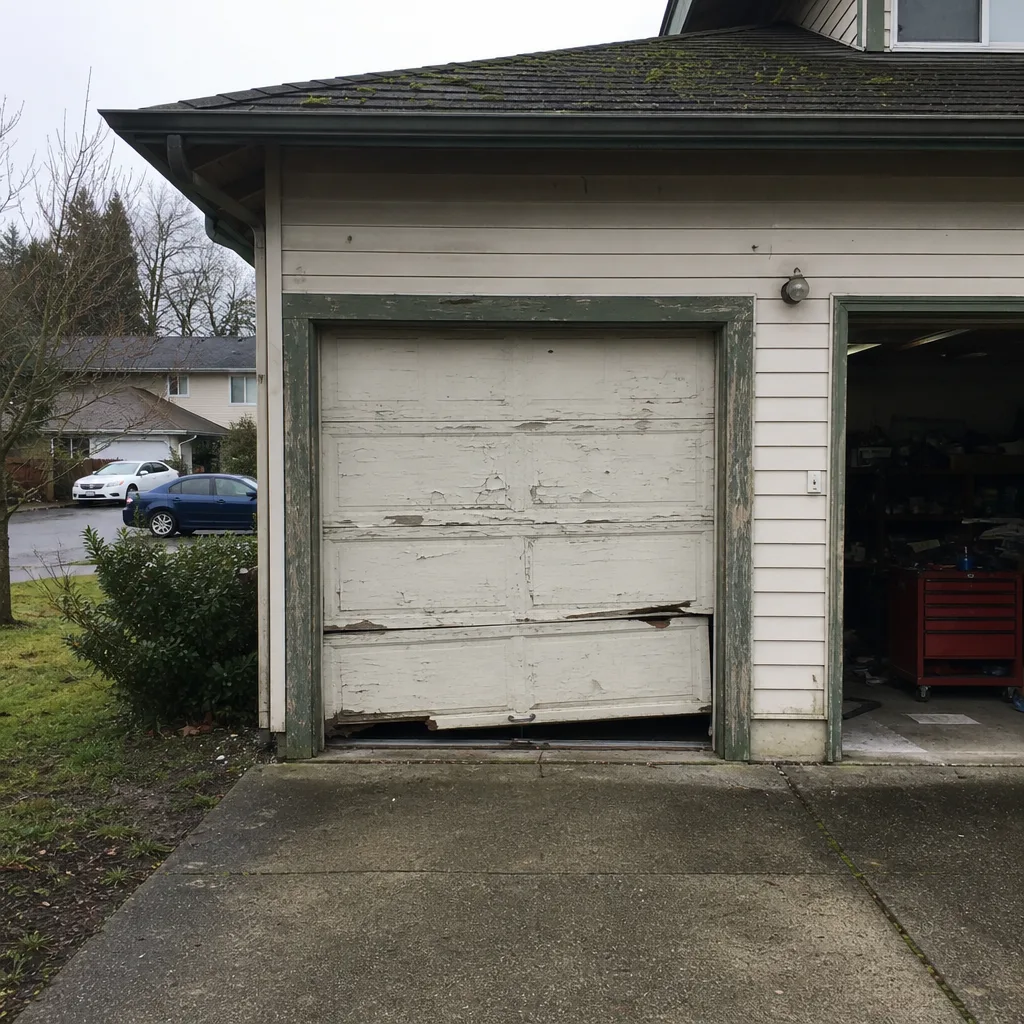 Before
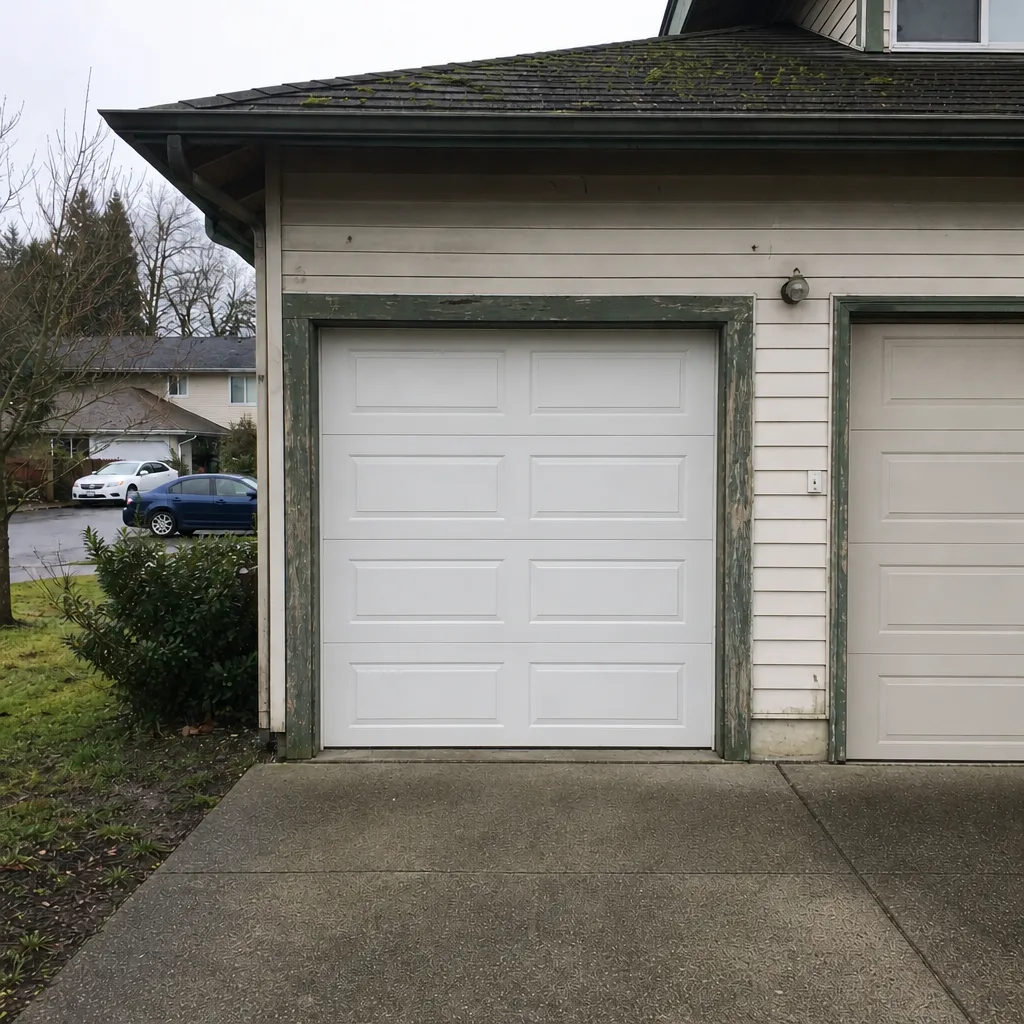 After
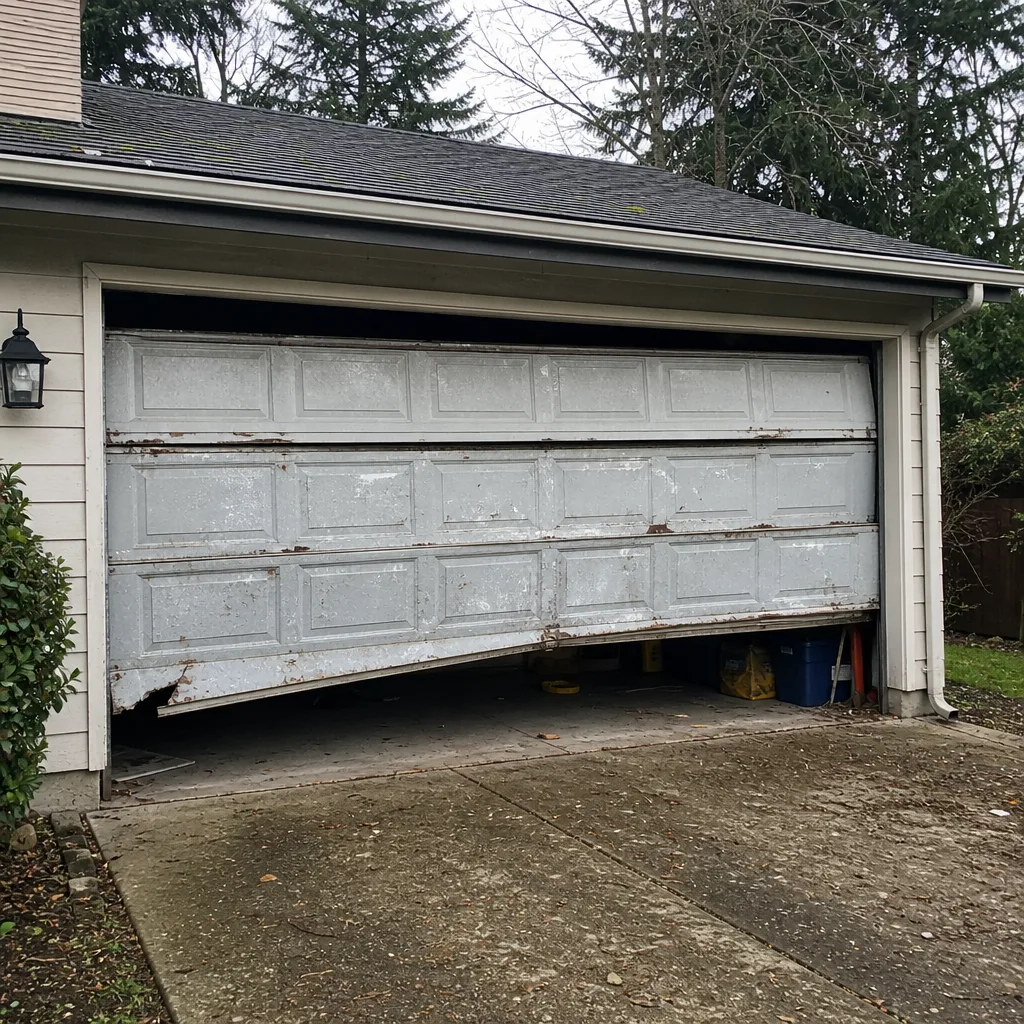 Before
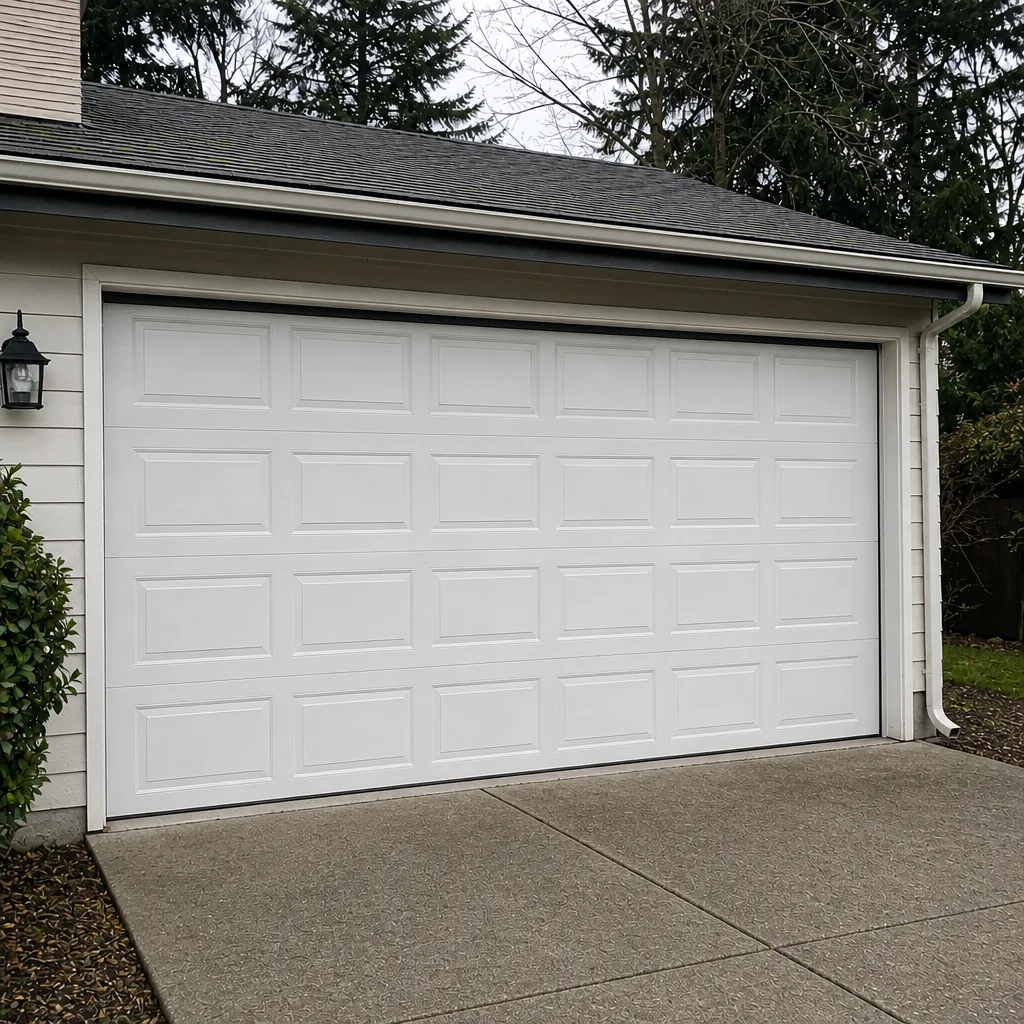 After
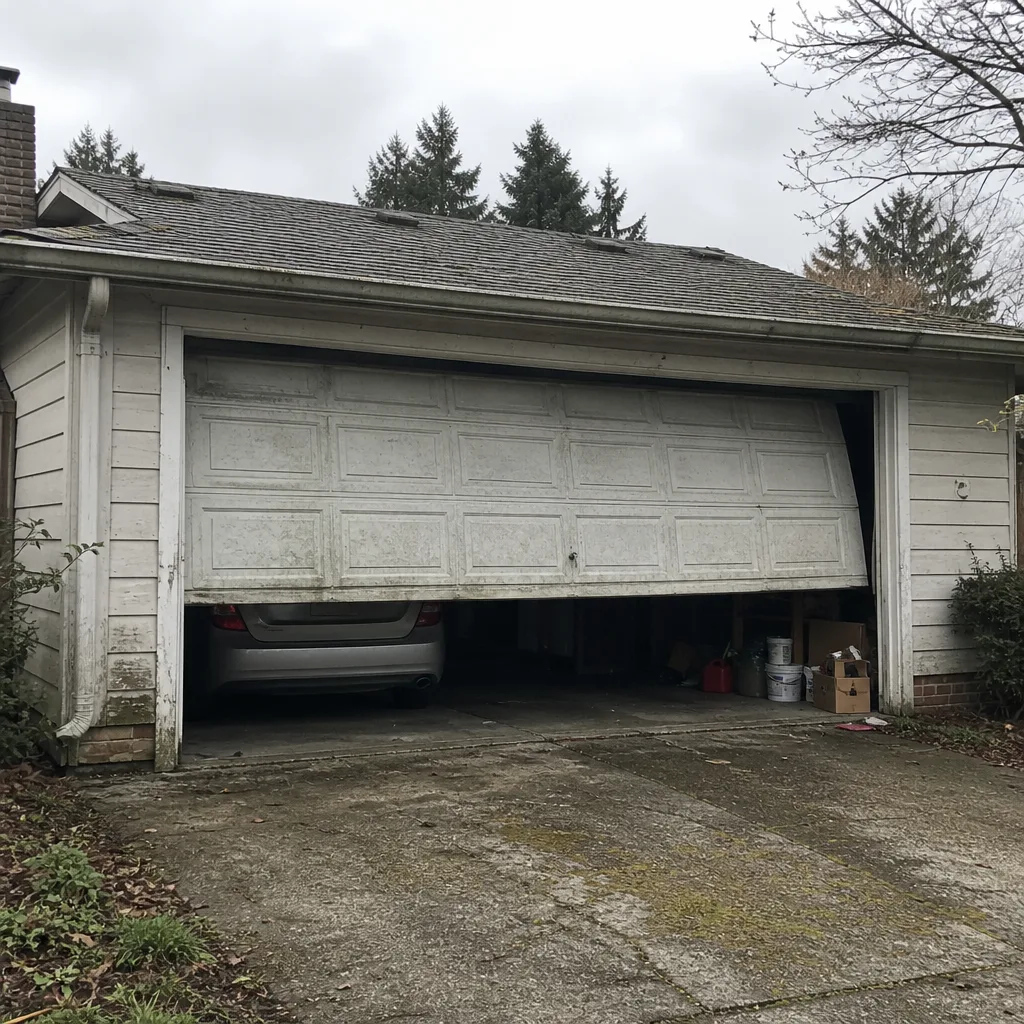 Before
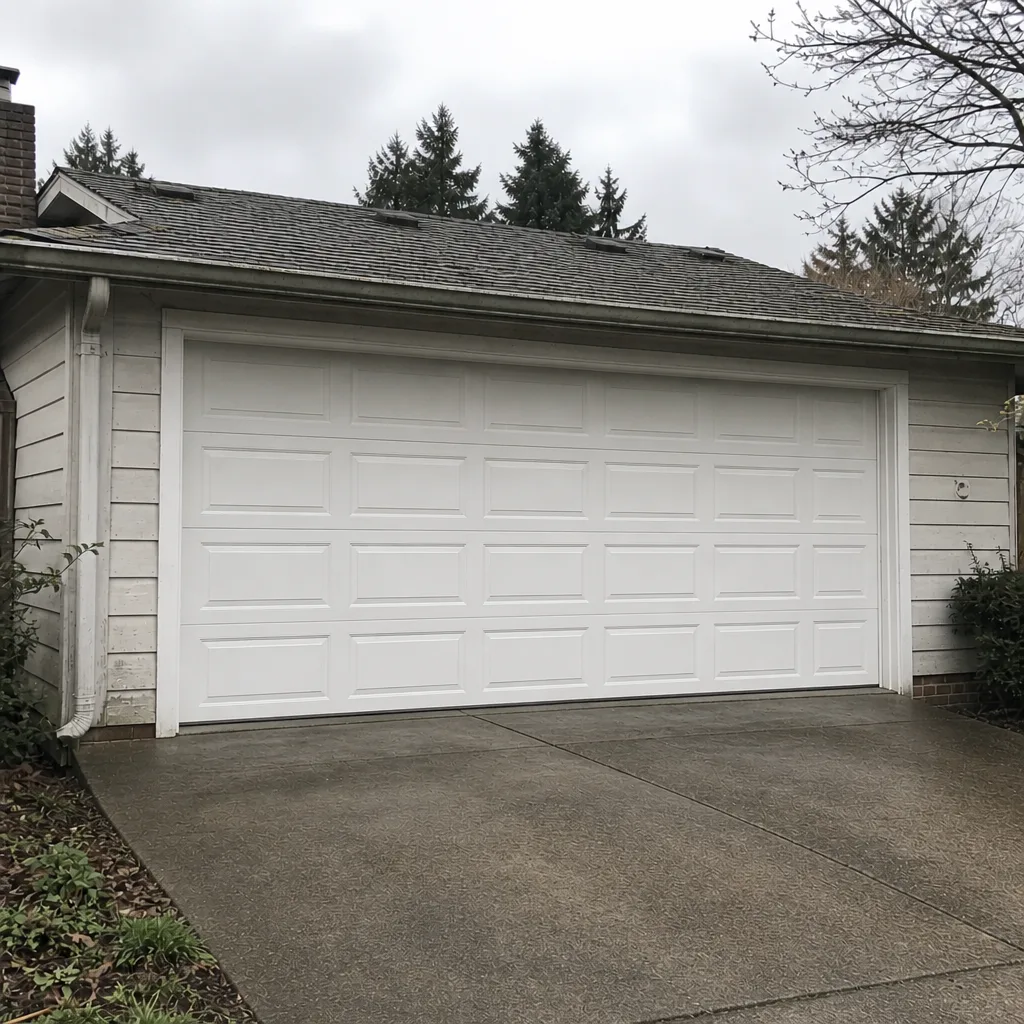 After
Common Mistakes to Avoid
- Waiting for the spring to break before checking it. In Bellevue, the fatigue builds all winter. A simple balance test in February catches a tired spring before it snaps on a cold night.
- Greasing the tracks. Tracks aren’t the moving part. Lubricating them attracts grit and clogs the rollers. Keep the tracks clean and lubricate the rollers, hinges and springs instead.
- Ignoring the photo-eye sensors after fall. A sensor blocked by wet leaves is the most common cause of a door that won’t close in the fall. Wipe the lenses before assuming a repair is needed.
- Skipping the south-facing finish. A sun-baked door that starts to chalk loses its protective finish quickly. Re-sealing on a south-facing door in Bellevue matters more than on the shaded ones.
- Assuming a wet-cold winter means weatherstripping is enough. It isn’t. Roller lubrication is the higher priority in our climate because wet-cold attacks the moving metal parts, not just the seals.
- Attempting spring or cable work yourself. These are highly tensioned parts and the most dangerous in the whole system. This is a job for trained, properly equipped technicians.
- Putting off corrosion checks until something fails. Catching rust on hinges and bottom brackets in April is a small fix. Catching it in October after another wet season is often a repair.
When to Call a Professional
Some seasonal care is yours to handle: sensor cleaning, visual checks, lubrication and the balance test. Other situations call for a technician. Call us if the door won’t balance by hand, if you see a gap in a torsion spring or a stretched extension spring, if a cable looks frayed or kinked, if the opener strains or the door reverses unexpectedly, or if the door won’t close after basic sensor cleaning. Any sign of a bent track or a bottom bracket that’s rusted through should get professional attention too. Garage Door Repair Bellevue Pros offers free estimates in Bellevue, and our technicians have up to 8 years of experience with LiftMaster, Chamberlain, Genie, Raynor and the other major brands we work on daily. Call (833) 962-9266. We answer 24/7. Fast dispatch from 7am to 7pm, Sunday through Friday. The price is quoted and agreed before any work starts, so you know the cost up front.
Frequently Asked Questions
The balance test in February and March is the single most useful check. It tells you whether the springs are holding tension before the freeze-thaw window breaks them. Lift the door partway by hand with the opener disengaged, let go, and see whether it holds position. If it falls or won’t stay put, the springs need attention. Call (833) 962-9266 for an inspection; estimates are free.
Because spring failure is cumulative, not caused by one cold night. Months of moisture and daily use fatigue the steel, and the February cold is simply what tips a weakened spring over the edge. The mild climate hides the buildup. If you notice rust streaks on the coils or a door that feels heavy, call us for a look. (833) 962-9266.
Yes, check the bottom seal and the paint finish more often. South-facing doors take the most direct sun, which dries out weatherstripping and oxidizes paint faster than on shaded doors. Press the seal with your thumb in June; if it’s stiff or cracked, replace it before summer heat does more damage.
Usually debris blocking the photo-eye sensors. Wet leaves and twigs collect at the base of the sensors in Bellevue’s tree-heavy neighborhoods and interrupt the beam. Wipe both lenses, clear the area, and test the door again. If it still reverses after cleaning, the sensors need alignment or replacement. Call (833) 962-9266 if the problem persists.
Lubricate the moving parts, not the whole door. Rollers, hinge pins and spring coils need a garage-door-specific lubricant to keep moisture out through Bellevue’s wet-cold months. Leave the tracks clean and dry, since grease there collects grit and clogs the rollers.
Any time a spring, cable or bottom bracket is involved. These parts are under extreme tension and are the most dangerous components on a garage door. Handle the cleaning, lubrication and visual checks yourself; call us for anything that involves a load-bearing part. Estimates are free, so call (833) 962-9266 and we’ll confirm what needs doing before any work starts.
The Bottom Line
Seasonal garage door care in Bellevue is really about timing. The failures aren’t dramatic here, so they’re easy to miss until something snaps. The freeze-thaw window in February and March is the highest-risk period for springs because fatigue builds quietly through the wet season. Summer heat wears down south-facing seals and finishes. Fall leaves choke the sensors. Winter moisture stiffens the rollers and hinges. Match your routine to that calendar: balance and spring checks after the freeze, seal and finish checks in summer, sensor clearing in fall, and lubrication before winter. Get ahead of the sequence and a door that runs daily tends to keep running. If anything needs a technician’s eye, our Garage Door Repair Bellevue Pros handles the whole cycle, from garage door repair and garage door opener repair to full garage door installation. Call (833) 962-9266 for a free estimate. We answer 24/7. Fast dispatch from 7am to 7pm, Sunday through Friday. Your garage door is back on track.
Written by the team at Garage Door Repair Bellevue Pros.